A Camera on the Porch or a Radar in the Ceiling: What eufy’s S330 and Aqara’s FP2 Collect
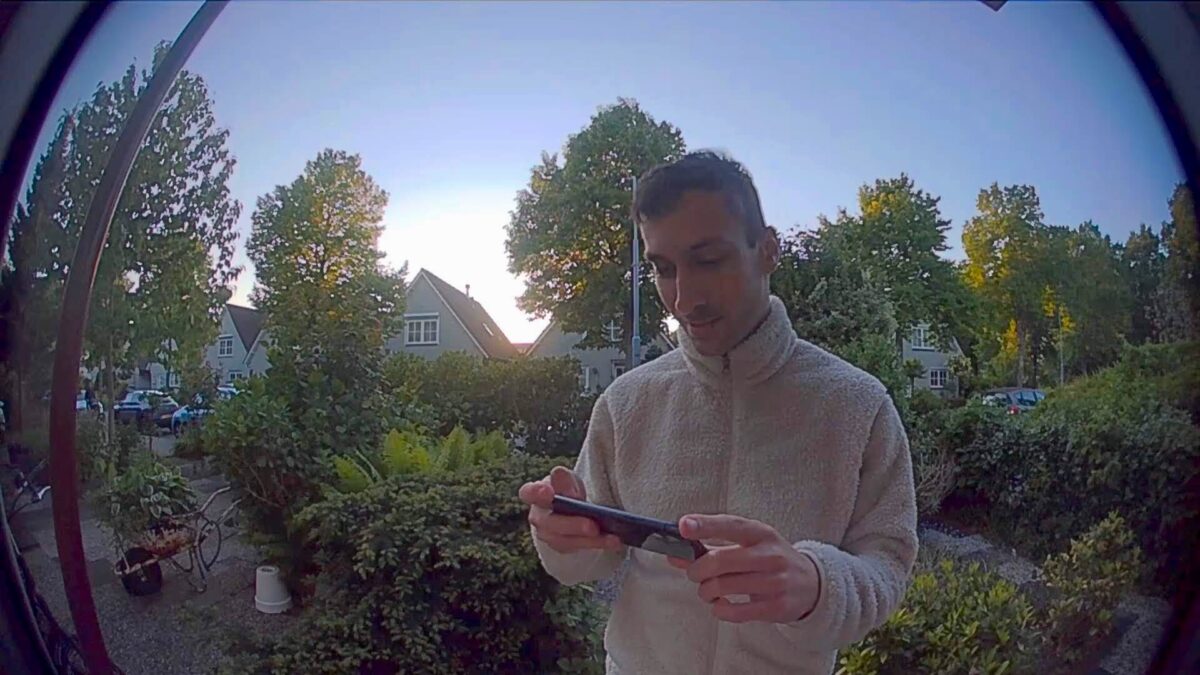
A doorbell and a presence sensor are not alternatives. Each decides that a person is there, and what each records on the way is the whole difference, including one attorney general settlement.
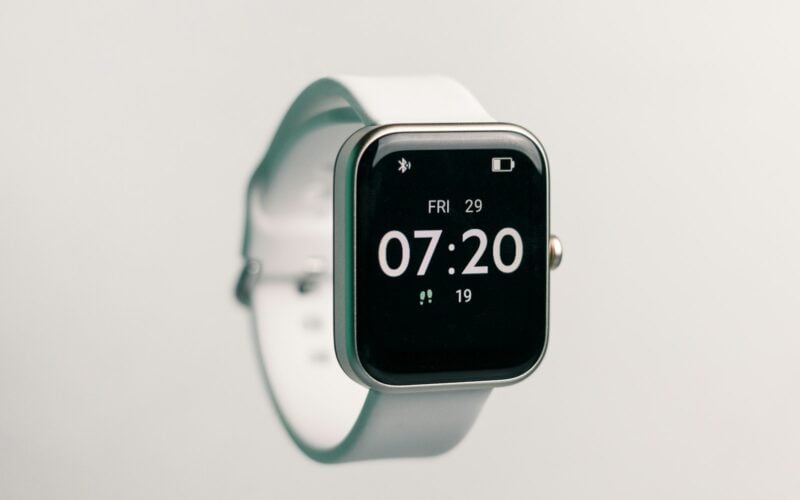
A doorbell and a ceiling sensor are not competing purchases, so treating this as a contest would waste your time. In one narrow sense they do the same job: each decides that a person is present and tells your phone about it. What separates them is what gets captured on the way. The eufy Security S330 records video, and Anker’s handling of that video has produced a state settlement, a live class action and a campaign that paid customers to stage crimes. The Aqara Presence Sensor FP2 uses millimetre wave radar and has no lens at all.
What each device holds, 1 September 2026
- eufy Video Doorbell (Wired) S330: $109.99 on eufy’s own store, marked $70.00 off
- The battery powered S330, sold as the Video Doorbell Dual, is no longer listed on eufy’s own doorbell page
- Aqara Presence Sensor FP2: $82.99, in stock, millimetre wave radar, no camera and no microphone
- FP2 coverage: up to 40 square metres, up to 30 zones, up to 5 people, fall detection when ceiling mounted
- New York Attorney General settlement with eufy’s US distributors, 4 February 2025: $450,000
Half the S330 line has quietly left eufy’s own shop
Search for the S330 and most results describe a battery powered dual camera doorbell that pairs with a HomeBase. That is not what eufy sells today. On eufy’s own US doorbell page the only S330 is the wired model at $109.99, marked $70.00 off, which implies a $179.99 list. The battery Dual with HomeBase is absent from the manufacturer’s own collection page, surviving only at third party retailers. eufy has published no discontinuation notice, so the honest description is end of life at the manufacturer without an announcement.
The original launched in late March 2022 at $259.99. The dual camera doorbell in eufy’s live range now is the E340 at $119.99, priced above the wired S330 that outlived it. Anyone buying the battery Dual from a marketplace listing in September 2026 should understand they are buying a model its own maker no longer lists, with whatever that implies for firmware and for the HomeBase it depends on.
The local storage camera was never encrypted the way it was sold
eufy built its brand on not being a cloud company. In November 2022 the security consultant Paul Moore demonstrated that eufy cameras were sending data to the cloud even with cloud upload switched off, and that video streams could be pulled into ordinary third party players such as VLC.
On 31 January 2023, after sustained press pressure, Anker publicly admitted that its eufy cameras had never provided the end to end encryption it had marketed, and that unencrypted streams were reachable through its web portal using debug mode and browser developer tools. MacRumors recorded both the admission and the remediation list that followed: encrypt web portal streams, disable debug mode, move all cameras to WebRTC encryption by default, commission third party security audits, run a bug bounty programme and publish a security information site.
The remediation is real and largely delivered. The point for a 2026 buyer is narrower and harder to fix: the specific claim that made this brand attractive turned out not to be true, and it stayed untrue for as long as nobody checked.
A settlement in Albany and a biometrics case still running in Chicago
On 4 February 2025 the New York Attorney General secured a $450,000 settlement with Fantasia Trading LLC, Power Mobile Life LLC and Smart Innovation LLC, the distributors of eufy products. The findings, as summarised by the law firm Hunton, were that video data was not protected by end to end encryption and that portions of transmission were unencrypted; that live video feeds were reachable without any authentication by anyone holding the correct URL; that some of those URLs were derivable without the user’s authorisation; and that security testing had been insufficient to catch the flaws.
The required remedies read like a description of what was missing: a comprehensive information security programme, a secure development lifecycle with third party testing, vulnerability management with regular penetration testing, and stronger encryption for video both in storage and in transit.
A second matter is still live. IDTechWire reported that on 30 July 2025 Judge Sara L. Ellis, in the United States District Court for the Northern District of Illinois, denied Anker’s motion to dismiss in full, allowing a Biometric Information Privacy Act class action to proceed. The claim concerns eufy’s BionicMind facial recognition system, which plaintiffs allege identifies individuals and stores biometric templates without the informed consent or the disclosures that Illinois law requires. No finding has been made; the case simply has not been thrown out.
Two dollars a clip to act out a package theft
In October 2025 it emerged that eufy had been paying its own customers to generate training footage. Android Police, reporting on the story broken by TechCrunch on 1 October, described a campaign that paid camera owners $2 per clip, submitted through a Google Form, for staged suspicious behaviour: testing locked car doors, walking away with a delivery box, simulated package theft. eufy’s stated target was more than 40,000 clips of staged and real incidents for AI model training, and more than 120 users took part. It ran quietly for several months before anyone outside noticed.
The fair reading includes the mitigation. Participants were told the footage was for AI training and nothing else, and Android Police is explicit that eufy did not scrape footage without permission or bury the purpose in fine print. Consent was obtained. What the episode reveals is the shape of the detection you are buying: an alert model trained substantially on customers acting out crimes for pocket money, which is a different thing from a model trained on incidents that happened.
The FP2’s whole argument is that there is nothing to leak
Aqara’s sensor answers the presence question without producing an image. Its own specification lists millimetre wave radar with a maximum range of 15 metres, coverage up to 40 square metres, up to 30 configurable zones, up to five people tracked at once, fall detection when it is mounted on a ceiling, a built in light sensor, an IPX5 rating and wired 5V USB-C power. There is no camera and no microphone. It reports where a body is standing, not who it is.
That design has costs, and Aqara publishes them. The FP2 is wired only, which dictates where it can go, and its Wi-Fi is 2.4GHz only. It needs no Aqara hub, which is a genuine advantage, but the zone mapping that justifies the price lives inside Aqara’s app rather than in your home platform.
Reviewed spent two hours on the setup and said maybe
Reviewed listed ‘very difficult to set up’ as its primary criticism, having spent roughly two hours across several sessions. The automatic room edge detection failed completely, forcing a wall by wall manual mapping on an in-app grid that refreshed so slowly the app had to be force closed repeatedly. The final verdict was a conditional maybe, aimed at people willing to tinker a lot. Reviewed also found that the zone features are not natively available in Apple Home, that complex automations require Apple Shortcuts, and that Alexa and Google Assistant cannot fully use the zones at all.
There is one more thing on Aqara’s own spec table worth reading before you spend $82.99. Matter support is listed as No. The newer battery powered FP300, which Aqara positions on its own comparison page as a complement rather than a replacement, supports Matter over both Thread and Zigbee, which is exactly what the older, dearer, mains powered sensor cannot do.
So the split is clean, if unromantic. If you want a doorbell, the record above is part of the specification and should be read as such, and the wired S330 at $109.99 is the only version its maker still sells. If what you actually want is for lights and heating to know a room is occupied, a radar sensor that never makes an image is a better answer than a camera in almost every respect except one: on this particular sensor, the setup is the hard part and the protocol is already dated.
Sources: MacRumors · Hunton · IDTechWire · Android Police · Reviewed
Articles on Read Vault are researched and written by the site’s editorial team.