Cape Town or the Scottish Highlands for a two-week self-drive
Both are big-landscape driving trips with a coast road at their heart. The differences that matter are crime advice, daylight and what the car actually costs.
This is one of the few long-haul-versus-short-haul pairings that holds up, because the trip is the same shape in both places: collect a car, string together small towns and a coastline, walk something steep, drive on the left. A reader planning a two-week self-drive really could be weighing the Cape peninsula and the Garden Route against the road north from Inverness. The decision does not come down to scenery, which both have in absurd quantity. It comes down to safety planning, the number of usable daylight hours, and how much of the budget the vehicle eats.
Advice and figures to have to hand
- FCDO routing advice: use the M3 and N2 from Cape Town airport rather than the R300
- Table Mountain National Park: hike in groups of four or more, on busy marked trails
- Eskom recorded 365 consecutive days without load shedding as of 16 May 2026
- Dam levels in Cape Town were 70.5 per cent at the end of December 2025
- Edinburgh has charged a 5 per cent visitor levy since 24 July 2026
The driving is the holiday, and the roads are not comparable
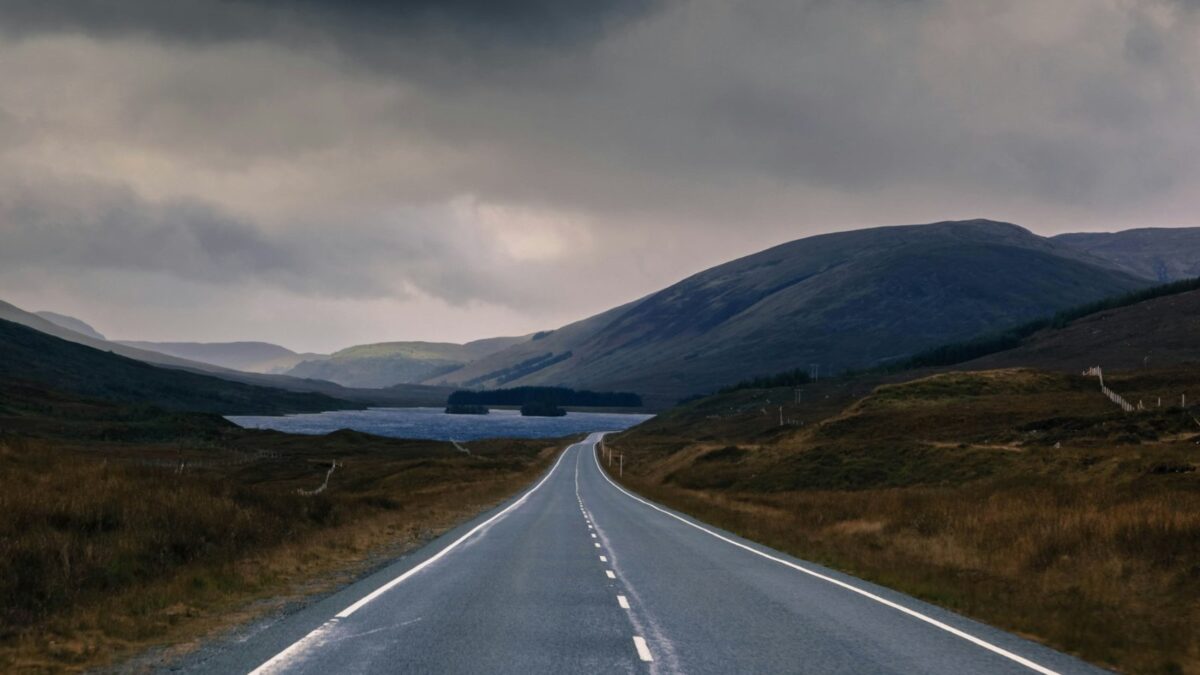
Highland driving is slow by design. Single-track sections with passing places, sheep that treat tarmac as pasture, and a coastal route that adds hours to any map estimate. The North Coast 500 alone is estimated to be worth more than 22 million pounds a year to the local economy, and its popularity has produced a genuine local grievance: councillors have pushed for overnight bans on camper vans in council car parks, citing waste and antisocial behaviour, and a voluntary campervan pass scheme launched in August 2024 had sold fewer than 40 passes. Parking penalties run to 100 pounds, halved to 50 if settled within a fortnight.
South African roads are faster, wider and better suited to distance, which is why a fortnight can realistically cover Cape Town, the Cederberg and a long run east. The catch is that the Foreign, Commonwealth and Development Office reports an increase in violent crime and targeted attacks on the routes to and from Cape Town airport, including incidents involving visitors driving hire cars. Its specific advice is to use the M3 and N2 rather than the R300, and to avoid Borcherd’s Quarry Road towards Nyanga. That is a routing constraint, not a vague warning, and it is easy to comply with once known.
Crime advice you have to plan around, not merely read
The FCDO describes a high crime rate in South Africa, including violent muggings, carjacking and house robbery, and notes that risk rises after dark. For a walking-focused trip the most relevant passage concerns Table Mountain National Park, where recent violent attacks and muggings against hikers have occurred, particularly on quieter trails early and late in the day. The recommendation is to hike in groups of four or more on busy marked routes. Townships are advised against without a responsible guide, and violent attacks have been reported on the MyCiTi bus to Khayelitsha.
The Highlands present nothing remotely equivalent. The risks there are environmental: exposure, sudden weather, and mountain rescue call-outs from people who set off in trainers. It is worth saying plainly that these are not risks of the same character. A solo traveller who wants to walk an empty ridge at dusk can do so in Wester Ross and should not do so on the quieter side of Table Mountain.
Daylight, rain and the months that actually work
The seasons are inverted, which resolves a good deal of the choice. Cape Town’s warm, dry stretch falls across the southern summer, roughly November to March, which is precisely when Highland daylight collapses to a few usable hours and many rural businesses close. Conversely the Highland season runs from late spring into September, when the Western Cape is wet and windy and the whales have gone.
Anyone whose leave is fixed in the northern winter has effectively already chosen. Anyone free in June has a real decision, and it is worth weighing the near-endless Scottish evening light in that month against the fact that the Cape in June is out of season for a reason.
Rain behaves differently too, and it changes what a bad day looks like. Highland weather arrives in bands and clears within hours, so a soaked morning is often followed by a usable afternoon. Cape winter rain settles in for days at a time, and there is far less indoor programme to fall back on outside the city itself.
Infrastructure that used to be a dealbreaker and no longer is
For several years the honest advice about South Africa involved load shedding, and it materially degraded trips. That has changed. Eskom recorded 365 consecutive days without load shedding as of 16 May 2026, a run last managed in September 2018. The utility describes this as a structural shift rather than a lucky spell, though it flags that decisions on phasing out older coal stations were due between July and September 2026, and that continued performance depends on maintenance discipline.
Water is now the live constraint instead. At the end of December 2025 Cape Town’s dams stood at 70.5 per cent, some 19.2 per cent below the same point a year earlier, with consumption at 1,025 million litres a day against a city target of under 975. Nothing about that stops a holiday, but visitors are explicitly included in the appeal for restraint, and short showers are a reasonable thing to ask of a guest.
Sources: FCDO travel advice, South Africa safety and security · Eskom, 365 days without loadshedding · TimesLIVE, Cape Town sounds water alarm before 2026 · Scottish Daily Express, NC500 camper van parking dispute · City of Edinburgh Council, visitor levy comes into effect
Articles on Read Vault are researched and written by the site’s editorial team.