Where the sun actually is in January, sorted by hours in the air
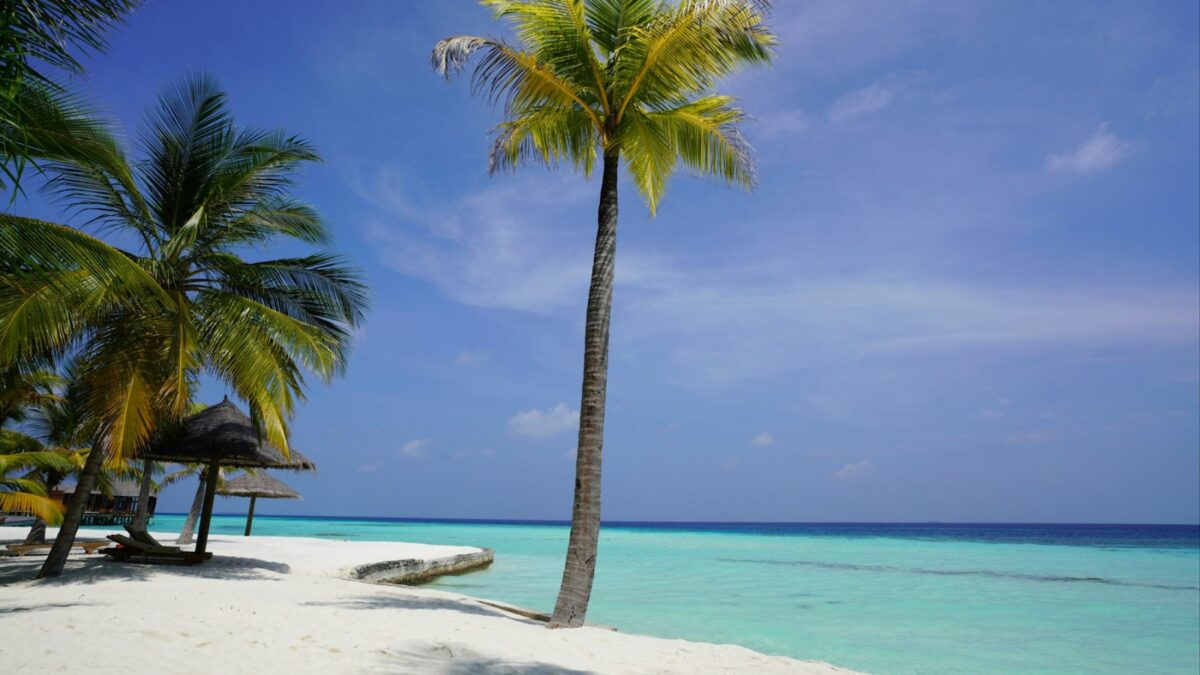
Cape Verde for a fortnight, Oman for dry heat and empty roads, and a blunt look at what the Canaries now cost and charge.
Winter sun is marketed on one number, the average January high, and that number conceals nearly everything worth knowing. A destination can average twenty-four degrees and still be windy, overcast or in the wrong half of a monsoon. What matters is sea temperature, hours of usable daylight, rainfall in that specific month, and how long the flight is relative to how long the holiday is. Four hours each way is nothing on a fortnight and ruinous on five nights. Grouped below by flight time from the UK, with the caveats the brochures leave out.
Entry rules to settle first
- Sri Lanka has granted a free 30-day, double-entry tourist ETA to nationals of 40 countries including the UK since 25 May 2026; the authorisation is still compulsory.
- Thailand requires a Digital Arrival Card from every foreign passport holder arriving by air, free on the official portal and filed within 72 hours of arrival.
- The Jordan Pass costs 70, 75 or 80 dinars depending on the number of days at Petra, and waives the tourist visa fee if bought before arrival with a stay of at least two nights.
- Tenerife begins charging for the Teide summit and Montana Blanca routes in 2026.
Under four hours: Morocco, Madeira and the Canaries
Morocco is the cheapest reliable winter warmth within a short flight, but the version most people book is the wrong one. Marrakech in January is pleasant by day and genuinely cold after dark, with riads that were designed to stay cool and mostly succeed. Agadir and Taghazout on the Atlantic are milder overnight, and the surf season is at its best, though the water is too cold for casual swimming.
Madeira is the most consistent option in the band and should never be sold as a beach holiday. The island barely changes temperature between November and March, the levada paths give structure to the days, and Ponta do Sol on the south coast catches sunshine when Funchal sits under cloud.
The Canaries deserve a more critical hearing than they usually get. Reliability is not in question. What is in question is value and pressure: Euronews reports more than ten million international arrivals across the islands between January and August 2025, sustained resident protests about mass tourism, and Tenerife introducing charges for its most walked routes from 2026, at 15 euros unguided or 10 guided on the Telesforo Bravo path to Teide’s summit and 6 euros on weekdays for Montana Blanca. La Palma and El Hierro offer the same climate with none of the congestion.
Four to six hours: Cape Verde and the Gambia
Cape Verde is the pick of this list for a fortnight. Sal and Boa Vista deliver warmth and sea temperatures that the Canaries cannot match in January, on flights only a little longer. The honest caveat is wind: the trade winds that make these islands a world kitesurfing destination also make lying on the beach with a book a more energetic activity than expected, and the all-inclusive model means much of the money never leaves the resort.
Anyone wanting the archipelago rather than the resort should add Santo Antao, which is mountainous, green on its north side and threaded with cobbled paths between villages. It is one of the finest walking islands in the Atlantic and almost nobody on a Sal package sees it.
The Gambia sits at roughly six hours and offers a dry season from November to May, river trips into mangrove creeks and some of the most accessible birdwatching in West Africa. It is a country where the difference between a resort week and an upriver trip is enormous, and where the FCDO country page should be read properly before booking rather than afterwards.
Six to eight hours: Oman, Jordan and the Red Sea
Oman is the strongest destination in this band and the least like a package. November to March gives dry heat rather than humidity, the road network makes self-drive straightforward, and the range within a week is unusual: Muscat’s souq, the terraced villages of Jebel Akhdar, swimming in the wadis inland from Sur, and a night in the Sharqiya sands.
Jordan works in winter for the opposite reason, because the sites empty out. Petra in January is cold overnight and quiet by day, which is a fair trade. The Jordan Pass costs 70 dinars for a single day at Petra, 75 for two consecutive days and 80 for three, includes more than forty other sites, and waives the tourist visa fee provided it is bought before arrival and the stay runs to at least two nights. Wadi Rum camps are genuinely cold after dark and the cheap ones are not equipped for it.
Egypt’s Red Sea coast is dependable and largely uninteresting; the reason to fly to Egypt in winter is the Nile. Luxor and Aswan are at their best between December and February, when walking the west bank at midday is possible rather than punishing.
Long-haul if there is a fortnight to spend
Sri Lanka became materially easier to enter in 2026. Its Department of Immigration and Emigration has issued a free thirty-day, double-entry tourist ETA to nationals of forty countries including the United Kingdom since 25 May 2026, though the authorisation itself remains compulsory and must be held before travel. December to March is the season for the south and west coasts; the east coast is on the opposite monsoon cycle and should not be booked for those months.
Thailand rewards the same length of trip and now has a mandatory piece of admin. Every foreign passport holder arriving by air must submit a Digital Arrival Card, which is free through the official immigration portal and must be filed within seventy-two hours of arrival. There are no exemptions, including for infants holding a passport and for long-stay visa holders.
The regional detail matters more than the country. The Andaman coast around Krabi and Ko Lanta is at its driest from November to April, while the Gulf islands run on a different cycle and can be wet through November. Booking Ko Pha Ngan for late autumn is a common and avoidable mistake.
Reading a winter weather claim properly
- Check rainy days rather than average rainfall. Twenty millimetres in one afternoon is a different holiday from twenty spread across a fortnight.
- Check sea temperature separately from air temperature. The Canaries and Madeira sit around eighteen to nineteen degrees in January, which is swimmable for some people and not for others.
- Check daylight hours. At thirty degrees north the sun sets before six in December, which shortens a beach day considerably.
- Check wind. It is the variable most often omitted from a destination page and the one that decides whether a beach is usable.
- Below roughly twenty degrees north, warmth is reliable. Between twenty-five and thirty-three degrees north, days are warm and nights can be genuinely cold.
Winter staples that no longer stack up
Dubai in January is the clearest example. It is the peak month, prices reflect that, and the appeal is a shopping and dining scene that is available at half the cost elsewhere. As a stopover of two nights it works; as a week of winter sun it is poor value.
Southern Tenerife over the February half term is the domestic equivalent. The same room can double in price for that fortnight, and the combination of school-holiday demand and record arrivals has pushed the resorts of Costa Adeje beyond what they deliver. Shifting a week either side of half term saves more than choosing a different island.
A week in the Caribbean is the third. Nine hours each way for seven nights spends two of them travelling and a further two adjusting, and the genuinely cheap Caribbean fares fall in hurricane season rather than in January. If the leave available is a week, spend it four hours from home and go long-haul when there is a fortnight.
Sources: Free visa for 40 nationalities, Sri Lanka Department of Immigration and Emigration · Thailand Digital Arrival Card, official FAQ · Jordan Pass packages and prices · Tenerife introduces a new eco-tax, Euronews · Best time to visit Cape Verde, Weather2Travel
Articles on Read Vault are researched and written by the site’s editorial team.