How to Choose Your First Interchangeable-Lens Camera Without Overspending

Mirrorless or DSLR, which sensor size, and which lens first, plus how Adorama's used gear, trade-ins and rentals help a first kit go further.
The moment usually arrives at a birthday party or on a trip. Your phone shoots a great landscape, but the kid blowing out candles comes out soft and grainy, and the portrait you wanted with a creamy blurred background looks flat. That gap between what you see and what you get is the reason most people start looking at a camera with interchangeable lenses.
Buying a first one feels harder than it should. The spec sheets are long and the forums argue. Only a handful of decisions matter, and once you make them in the right order the shortlist gets short quickly.
A first interchangeable-lens camera makes sense when your phone keeps hitting the same wall
If your frustration is low light, moving subjects, real background blur or zoom that does not turn to mush, a dedicated camera solves all four. A larger sensor gathers more light, a proper autofocus system tracks a running child or a dog, and a lens you can swap lets you go from a wide street scene to a tight portrait without cropping away detail.
It also suits anyone who wants to learn photography as a craft. Adorama’s Learning Center points out that working with a dedicated camera teaches the three basic elements of exposure: ISO, aperture and shutter speed. Those controls are buried on a phone.
📷 Compare beginner mirrorless cameras side by side
Mirrorless or DSLR: which type is worth buying now?
Mirrorless. As Adorama’s guides explain, a mirrorless camera has no internal mirror. The sensor feeds a live preview to an electronic viewfinder or the rear screen, so you see the exposure before you press the shutter. Adorama notes that this design allows a more compact body that travels well, and that mirrorless models tend to shoot at higher frame rates, focus faster and handle video better. For most new buyers this is where the camera makers are putting their new bodies and lenses.
DSLR. A DSLR uses a mirror to send light to an optical viewfinder. Adorama’s writers like that this view feels natural, with no lag and no battery drain, and they note that DSLRs can be the more budget-friendly route for a beginner, particularly on the used market.
The call. Adorama’s own advice is that mirrorless is the way to go if you want the best long-term investment. A DSLR still makes a sensible starter if your budget is tight and you find a well-kept body with a good lens.
Sensor size decides more than megapixels do
Full-frame. The sensor matches a 35mm film frame. It gives the cleanest results in dim light and the easiest background blur, with larger bodies and lenses to match.
APS-C. The most common size in beginner cameras. It is smaller than full-frame, which keeps cameras and lenses lighter and more affordable while still delivering a big step up from a phone. Lenses appear roughly 1.5 times longer in reach (1.6 on Canon), which is handy for wildlife and sports.
Micro Four Thirds. Smaller again, with very compact systems and a 2x reach effect. It is a strong choice for travel and video.
For a first camera, APS-C hits the sweet spot for most people. Full-frame is worth the stretch if you shoot a lot indoors or at night and know you will stay with the hobby.
Choose the lens system first, then the body
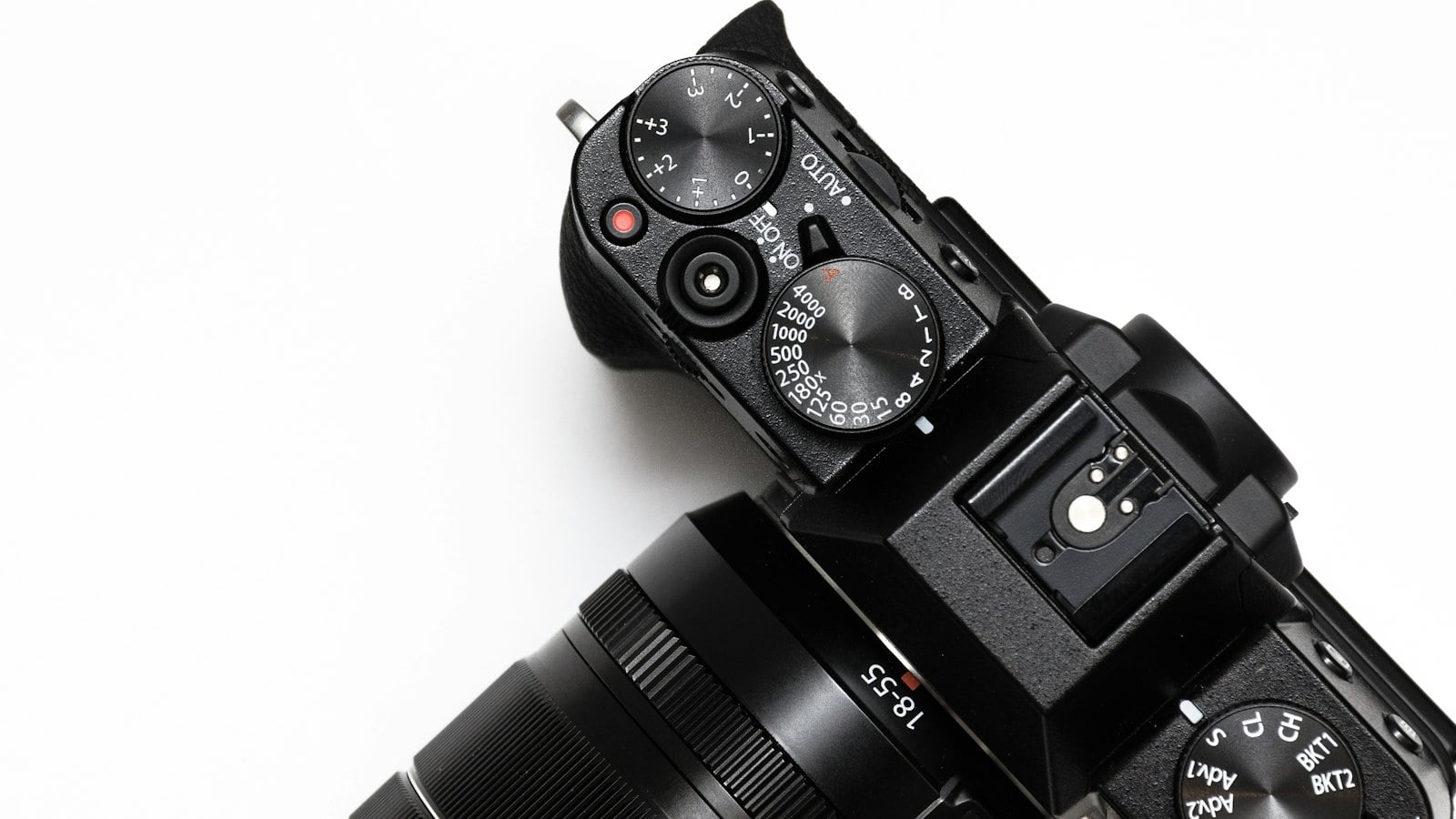
Bodies get replaced every few years, but lenses can stay with you for a decade. Before you fall for a camera, look at the lenses available for its mount: a kit zoom to start, an affordable fast prime (a 50mm-equivalent f/1.8 is the classic portrait lens), and a longer zoom if you shoot sports or wildlife.
Autofocus. Subject and eye detection makes a real difference for kids, pets and moving people.
Handling. Grip size, button layout and a viewfinder you enjoy using matter more than an extra few megapixels.
Video. If you plan to film, check for a flip-out screen and a microphone input.
🔍 Shop starter lenses for your camera mount
Where Adorama fits when you are buying your first kit
Adorama runs a flagship store at 42 West 18th Street in Manhattan, and the same range is available online. A few of its programs line up neatly with what a first-time buyer needs.
Used gear with a warranty. Adorama’s used department inspects and grades pre-owned items and says it rates conservatively, grading downward when condition is in question. According to the site, used photography and video items carry a 180-day warranty (excluding items marked Flawed or For Parts), and used items can be returned within 30 days in the same condition, except those rated condition X.
Refurbished cameras. Adorama’s refurbished section is often the quickest way into a recent model for less. The retailer says refurbished cameras in most cases come with a 90-day warranty.
Trade-in. If you have an old camera or lenses at home, the Adorama Trade-In Program pays cash or store credit. The retailer sends a prepaid, insured UPS label and calls with an offer once the gear arrives.
VIP rewards. Adorama’s VIP program earns points on qualifying purchases that can be redeemed at checkout. The paid VIP Pro tier adds free two-day shipping on qualifying products in the contiguous US, among other perks; check the rewards page for current terms.
Rentals. Adorama Rental Co, in business since 1988, rents cameras and lenses from Brooklyn and Manhattan and ships nationwide, with single-day through weekly rates. Renting a lens for a weekend is an inexpensive way to test a focal length before you buy it.
Learning content. The Adorama Learning Center publishes free beginner guides, from choosing a first mirrorless camera to camera parts explained.
♻️ See graded used and refurbished cameras
One lens beyond the kit makes the biggest difference
The kit zoom is a fine teacher, but the purchase that changes your pictures most is usually a fast prime. A bright aperture lets you shoot indoors without flash, freezes motion in dim rooms and gives that soft background people notice first. Pair it with an APS-C or full-frame mirrorless body and you have a setup that can grow with you for years.
Buying smart makes that pairing easier to afford. Trading in an old camera, choosing a graded used lens with Adorama’s warranty, or renting a few focal lengths first can put the body and the lens you want in the same bag. Check current prices and condition grades on the listings, pick the mount you like, and start shooting.
✨ Find a fast prime lens for portraits
Articles on Read Vault are researched and written by the site’s editorial team.