The good months nobody books: shoulder-season travel in 2026
May in the Highlands, late September in Dalmatia, November in Andalusia, and three shoulder-season tricks that have quietly stopped working.
Shoulder season is usually explained as a discount, which badly undersells it. The real prize is a version of a place its residents would recognise: kitchens staffed by people who are not exhausted, a beach with room on it, a cathedral without a queue at the door. The complication is that the shoulder has moved. Warmer autumns have pushed the Mediterranean’s usable season later, several cities now charge an identical visitor levy on every night of the year, and Japan’s late-November foliage has become a peak in its own right. Arranged by month, since that is the only useful way to think about it.
How the shoulder has shifted
- Edinburgh’s 5 per cent visitor levy has applied since 24 July 2026, with no seasonal variation and a cap of five consecutive nights.
- The 2026 Post Office basket makes Edinburgh the third dearest of 50 European cities at 668 pounds.
- Kyoto’s lodging tax rises from March 2026 to a scale reaching 10,000 yen per person per night on rooms above 100,000.
- Alhambra general admission is 22.27 euros booked online, on a timed slot for the Nasrid Palaces.
May in the Highlands, before the midges
The last three weeks of May are the finest and least contested time to be in the north-west of Scotland. Daylight runs past ten in the evening, the roads are clear because the English and Scottish school holidays have not started, and the biting midge season generally has not begun in earnest. VisitScotland’s regional pages are the practical reference for ferry timetables and seasonal openings, which vary considerably before June.
Knoydart, reached only by boat from Mallaig or a two-day walk, Torridon and the Ardnamurchan peninsula all suit this window. Accommodation is limited enough that May now books up months ahead, which is the one respect in which it is no longer a secret.
The North Coast 500 is the exception to the recommendation. Single-track passing places were not built for the volume of motorhomes now using them, and local councils have spent several seasons managing the consequences. The same landscape without the traffic is one glen inland.
Late September on the Dalmatian coast
The Adriatic holds its summer warmth well into autumn, and the second half of September is the point at which the sea is still comfortable while the ferries have thinned and the Italian holiday month has ended. Hvar and Korcula change character almost overnight in the first week of the month.
Base the trip on Sibenik rather than Split or Dubrovnik. It has the two Unesco-listed sites, a cathedral without an entry queue, and the boats out to the Kornati archipelago, which is closed-off national park and empty by late September.
Dubrovnik still requires checking the cruise schedule before committing to a date. The port publishes arrivals, and a day with three large ships in is a day to be somewhere else entirely.
October on Crete, and Europe’s last warm sea
Crete in October is the closest thing left to a reliable late-season beach holiday in Europe. The sea is at its annual warmest by the start of the month, the olive harvest begins, and inland villages that ignore visitors in August become welcoming once the season eases.
Two practicalities decide the trip. The Samaria gorge route normally closes for the winter towards the end of October and the date moves with the weather, so a walk there should never be the fixed point of an itinerary. And inter-island ferry timetables reduce sharply from mid-October, which makes island-hopping unreliable just as the weather becomes ideal for it.
Chania and Rethymno are the obvious bases. The south coast around Loutro, reachable only by boat, is the better one for anyone who wants the empty version.
November in Andalusia, the region’s best month
Andalusia in November is warm enough for lunch outdoors, cool enough to walk a city at midday, and empty enough that its most rationed sights become bookable at short notice. Seville, Cordoba and Granada can be done as a single rail loop without a car.
The Alhambra remains the exception that needs planning even now. General admission is 22.27 euros booked online, covering the Nasrid Palaces, the Alcazaba and the Generalife, with reduced rates of 14.85 for over-65s and holders of an EU youth card. Entry to the palaces runs on a strict timed slot and late arrivals are refused, and children under twelve go free but still require a ticket in their name.
Beyond the cities, the olive harvest around Jaen runs from November into January, and Cabo de Gata in Almeria offers a genuinely warm coast without a single high-rise on it.
Shoulder-season tricks that have stopped working
The first is the assumption that a British city break is cheaper in autumn. Edinburgh’s 5 per cent levy on accommodation, in force since 24 July 2026, does not vary by season at all, and the five-night cap applies whatever the month. Set against a basket that Post Office Travel Money already ranks third dearest in Europe at 668 pounds, the off-season saving is a shrinking share of a growing bill.
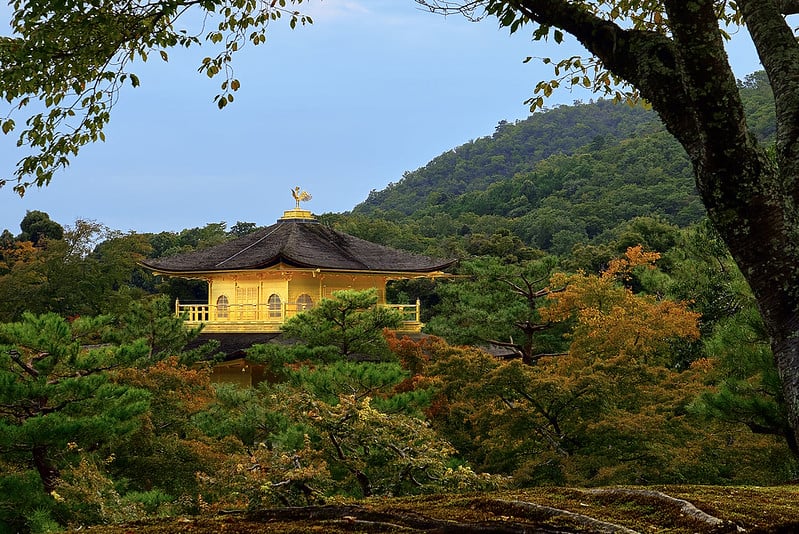
The second is Japan in November. Autumn foliage has become as heavily travelled as cherry blossom, and Kyoto’s lodging tax rises from March 2026 on a scale that starts at 200 yen per person per night and reaches 10,000 for the most expensive rooms, replacing a previous ceiling of 1,000. The genuine shoulder in Japan is now late January and February.
The third is early October in the Greek islands. The weather has improved but the transport has not kept pace, and reduced ferry frequencies mean a two-island itinerary that works in September can strand a traveller three weeks later. Choose one island and stay on it.
Sources: Regional travel information, VisitScotland · Edinburgh visitor levy comes into effect, City of Edinburgh Council · City Costs Barometer, Post Office Travel Money · Alhambra ticket prices, Love Granada · Kyoto lodging taxes to increase from March 2026, Japan Travel
Articles on Read Vault are researched and written by the site’s editorial team.