Lima first, Bangkok second: food cities worth building a trip around
Time Out asked more than 24,000 residents where they eat well. The result is a decent shortlist and a poor itinerary, so here is how to use it.
Every food ranking measures something slightly different, and most of them measure enthusiasm. Time Out’s 2026 list is more useful than most because it asked over 24,000 residents about their own cities, scoring quality and affordability together before checking the answers against its critics. Lima came first, Bangkok second, Mexico City third. What no ranking can tell a traveller is when to eat, what needs booking three months out, and which celebrated food capital is now coasting on a reputation earned two decades ago. This guide is arranged by meal rather than by rank, because that is how an eating trip is actually built.
The top ten, as voted
- 1 Lima, 2 Bangkok, 3 Mexico City, 4 London, 5 Barcelona.
- 6 Ho Chi Minh City, 7 Melbourne, 8 Beijing, 9 Athens, 10 Lisbon.
- Osaka placed twelfth, Naples fourteenth, Marseille eighteenth.
- Respondents rated their own city on food quality and affordability together.
Breakfast, and the case for Lima
Lima topping the list surprises people who think of Peruvian food as a single dish. The city rewards early risers more than late ones: ceviche is a lunch dish, made with the morning’s catch, and the places serving it after four in the afternoon are serving it to visitors. Time Out singles out the ranfanote pastry at El Pregon de las Once and the newly opened Fernandini in Barranco, which is the district to base a trip in.
The deeper argument for Lima is that three cuisines run in parallel. Criollo cooking, Chifa from the Cantonese migration and Nikkei from the Japanese one are not fusion menus for tourists but separate, century-old traditions with their own neighbourhood restaurants. A week is not too long. Surquillo market at eight in the morning explains more than any tasting menu.
Street stalls that hold formal recognition
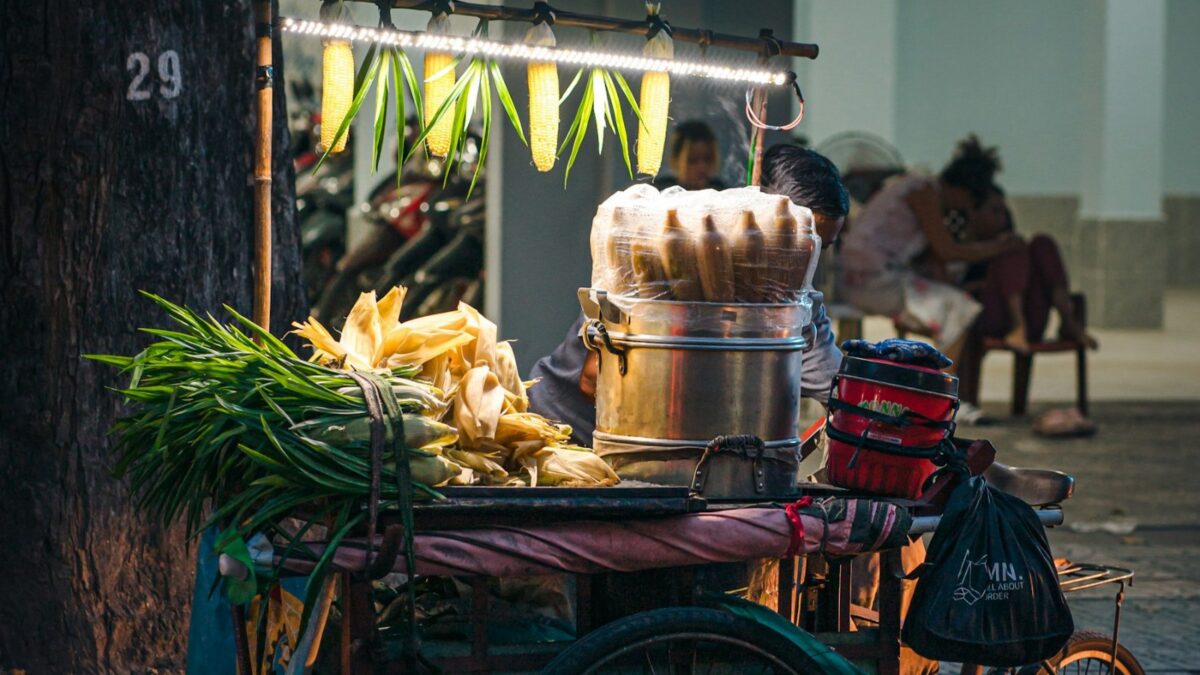
Bangkok is the city where the distinction between street food and restaurant food has least meaning, which is why the Michelin Guide’s coverage of the region gives street operations the same treatment as dining rooms. Time Out’s own picks point the same way: grilled catfish at Khao San Sek on Song Wat Road, and boat noodles at ThongSmith.
Song Wat is the current axis and worth taking seriously. The old riverside godown street has filled with small kitchens without losing the wholesale trade that gave it a reason to exist, which is the combination that keeps prices honest.
Timing matters more here than in any other city on the list. November to February is dry and bearable; April is punishing, and eating outdoors in forty degrees at ninety per cent humidity is a test rather than a pleasure.
Cities where the market is the main event
Mexico City is the obvious one, and the mistake is to treat it as a restaurant destination first. Time Out’s contributors name tacos at Pujol alongside the cooking across Condesa, Juarez and San Miguel, but the city’s argument is made at Mercado de Medellin and Mercado Jamaica, where the range of chillies alone justifies the flight.
Marseille, eighteenth on the list, is the European equivalent and considerably underrated for it. Noailles market is North African, Comorian and Provencal at once, and the city eats better and far more cheaply than Nice an hour along the coast.
Naples, fourteenth, belongs in the same category. The Pignasecca market and the fried-food counters around it are the reason to go; the pizza, which is what everyone books flights for, is almost incidental and available on every corner.
One-dish towns worth the whole trip
Osaka, twelfth, is the strongest case for a city built on a handful of dishes. Kushikatsu in Shinsekai, okonomiyaki, takoyaki and kappo counters are the whole repertoire, and the city is unembarrassed about that. It also makes a far better base than Kyoto for anyone touring Kansai, being cheaper, later-opening and thirty minutes away by train.
Bengaluru, thirteenth and the surprise of the list, works the same way around the dosa and the darshini, the stand-up breakfast counters that open at six thirty. Nothing costs more than a few pounds and the queue at seven in the morning tells you which one to join.
San Sebastian does not appear in the ranking at all, which is defensible. The pintxo bars of the Parte Vieja are magnificent and are now busy enough that a Saturday evening is closer to a scrum than a meal. Go on a Tuesday in October or go to Bilbao.
Where booking has become part of the meal
Copenhagen, nineteenth, and Lisbon, tenth, share a problem: the restaurants that made their reputations release tables months ahead and fill them within hours. That is worth planning around rather than resenting.
The workable approach is to book exactly one restaurant that requires booking and leave every other meal open. Two or three fixed reservations across a four-day trip turn the holiday into a timetable, and the best meal is usually the unplanned one anyway.
It is also worth checking cancellation terms before paying a deposit. Several of the most sought-after kitchens in both cities now charge the full ticket price for a no-show, and a delayed flight is not usually accepted as an exception.
Reputations that have outrun the kitchens
Barcelona sits fifth on Time Out’s list and fifth from the top of Post Office Travel Money’s most expensive city breaks, at 641 pounds for a two-night basket for two. Both things are true at once. The city still cooks superbly, and Time Out’s own recommendation, the bomba at La Cova Fumada in Barceloneta, costs a couple of euros. What has decayed is the middle: the tourist menus along the Rambla and around the Sagrada Familia are the worst value in western Europe.
Rome’s centro storico has the same problem in a more concentrated form, and the rule of thumb still holds that a restaurant with a photographed menu outside is not for locals. Testaccio and Trastevere’s back streets remain excellent.
Paris deserves a more careful criticism. The classic bistro has not declined so much as bifurcated, into a small number of exceptional neo-bistros that require booking and a large number of reheated operations near the monuments. The city does not belong in a top ten on the strength of the second group.
Sources: The world’s best cities for food 2026, Time Out · The most exciting food cities in Asia, Michelin Guide · City Costs Barometer, Post Office Travel Money · Official tourism portal of Peru, PromPeru · Michelin-starred restaurants in Mexico for 2026, Michelin Guide
Articles on Read Vault are researched and written by the site’s editorial team.