A Smart Scale Is Most Useful When You Read the Trend, Not the Number
How body-composition scales and wellness bands differ, what to check before buying, and where the Hume Pod and screenless Hume Band fit.
The old bathroom scale did one job. You stepped on, it showed a number, you stepped off and got on with your morning. A smart scale does something different. It sends a reading to your phone, files it next to last week’s and last month’s, and starts drawing a line. That line is the whole point.
Body-composition scales have come a long way, and the better ones now come with handles, multi-user profiles and apps that look more like a dashboard than a log. Hume Health is one of the brands pushing that furthest, with a scale it calls the Hume Pod and a screenless wrist tracker called the Hume Band.
📲 See what the Hume Pod measures
Who gets real use out of one
People who like seeing patterns. If you lift, run, train for events or just want to know whether a new routine is changing anything, a scale that tracks more than one figure gives you more to look at than the old dial.
Households, too. A good smart scale recognizes who’s standing on it and keeps each person’s history separate, so one device can serve everyone without anyone scrolling through someone else’s data.
And the merely curious. Plenty of buyers just want the gadget on the bathroom floor that talks to their phone. Nothing wrong with that.
Three kinds of tracker, and how they differ
Most body-composition scales use bioelectrical impedance analysis, or BIA. The scale sends a small, safe current through your body and reads the resistance, then runs that through an algorithm to estimate things like body fat and muscle.
The basic kind has electrodes only under your feet. Hume’s own explainer points out that foot-only scales estimate the upper body from formulas and profile data rather than measuring it directly. They’re affordable and simple, and for many people that’s enough.
The step-up kind adds a handheld grip with more electrodes, so the current runs through your arms as well as your legs. That’s how these scales can report readings for each arm, each leg and the trunk separately, which foot-only models can’t do.
Then there are wearables. A band doesn’t measure body composition at all. It tracks the other side of the picture: heart rate, sleep and recovery, day and night.

What to look for before you buy
Electrodes in the handles, not just the feet. If you want readings for the upper body or for each side, this is the feature that makes it possible.
Multi-user support. Check how many profiles the scale holds and whether it picks the right person automatically.
What the free app does. Some brands put trend charts behind a subscription. Find out which features are free and which are paid before you commit.
Accuracy claims, read with care. Brands love comparing their numbers to clinical DEXA scans. Treat those as the brand’s claims, and remember that consumer BIA gives estimates. Hume’s own accuracy guide acknowledges research showing consumer scales in general aren’t precise enough for clinical body-composition assessment. Trends over time are where they shine.
A real return window. You’ll know within a few weeks if the routine sticks. A generous trial period takes the risk out of finding out.
One more thing. If you have a history of disordered eating, a scale that reports dozens of body figures may not be a helpful addition, and it’s fine to skip this category entirely.
Where Hume fits
The Hume Pod sits firmly in the step-up group. Hume says it uses eight electrodes across both hands and both feet and multi-frequency BIA, and that it reads the arms, trunk and legs separately. The company lists 45 metrics in six groups, including muscle mass, hydration, bone mineral content and segmental readings for each limb, plus scores it calls a Body Composition Grade and a right-versus-left asymmetry flag. On accuracy, Hume states the Pod is within about 3% of DEXA; that’s the company’s figure, and its own pages describe it differently in places, so read it as a guide rather than a lab result.
The practical details are friendly. According to Hume, the Pod syncs to the Hume Health app over Wi-Fi or Bluetooth, recognizes up to 24 users, and lets you compare readings against 3, 6 or 12 months ago. The core app is free, with an optional paid premium tier for coaching and reports.
⚖️ Check current Hume Pod pricing
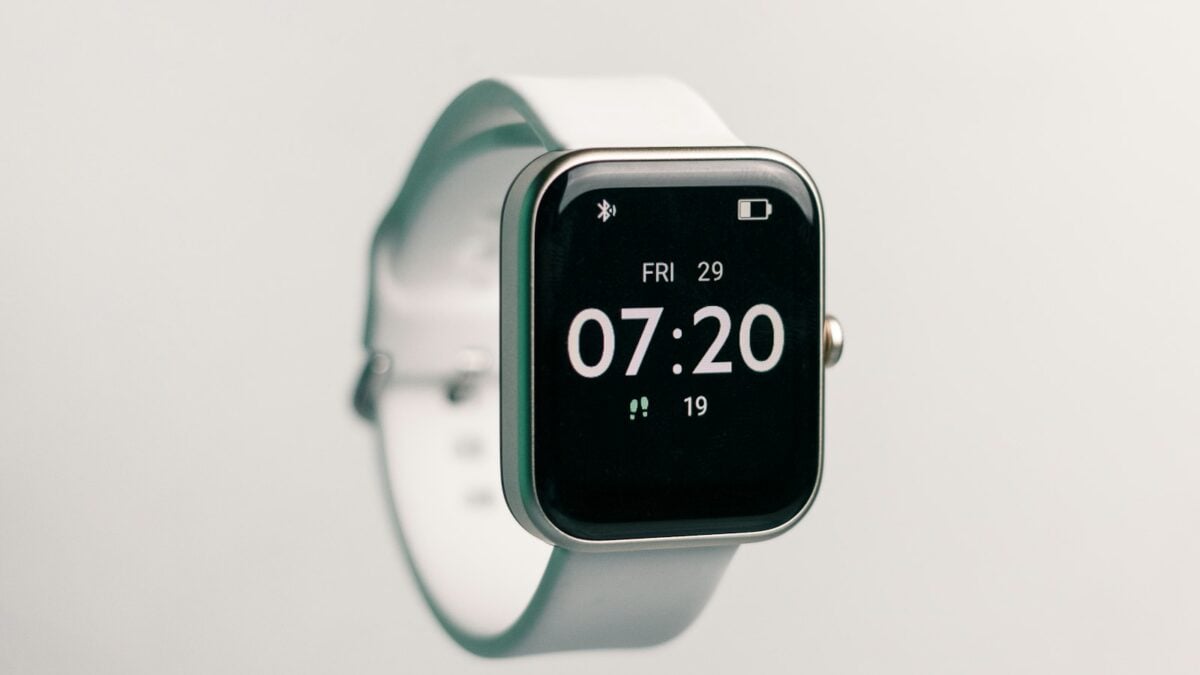
The Hume Band 2.0 is the other half. It has no screen and no notifications, which Hume pitches as a feature for people tired of a buzzing wrist. Hume says it tracks heart rate, overnight heart rate variability, blood oxygen, skin temperature and sleep stages, and rates the battery at up to 14 days. Hume describes the band as a general wellness device whose readings are estimates and trends, not a diagnosis, which is the right way to think about every product in this category.
Hume also advertises free shipping and a 45-day return policy on its site.

Why a full-body reading is the step up
A foot-only scale tells you something. A scale that reads both halves of your body, keeps everyone in the house on their own profile and lines it all up as a trend tells you a lot more, and Hume says a session takes about a minute.
If you’ve been using a basic smart scale and want the fuller picture, the Hume Pod is a strong place to look, and pairing it with the Band adds sleep and recovery to the same app. Check the current bundles and pricing before you pick.
Articles on Read Vault are researched and written by the site’s editorial team.