How Stanley Disclosed a Problem, and How Bose Announced a Successor
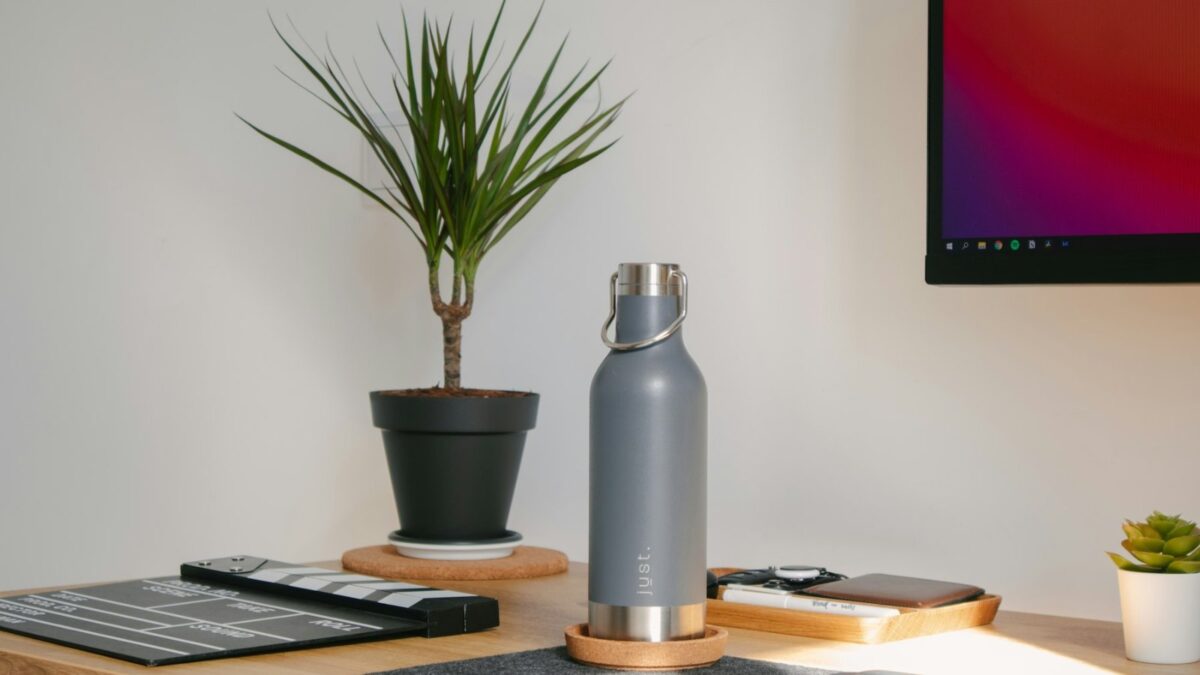
The Quencher and the QuietComfort Ultra aren't substitutes, but each maker had news to deliver to existing owners -- one about lead, one about a second generation -- and the two looked nothing alike.
A tumbler and a pair of noise-cancelling headphones aren’t bought as alternatives to each other. What’s worth comparing is how each maker communicated with the customers who’d already bought in. Pacific Market International, Stanley’s parent, had to disclose in January 2024 that the Quencher’s base contains lead, then manage a class-action lawsuit and keep clear of a separate CPSC recall of a different product line. Bose, by contrast, simply announced a second-generation QuietComfort Ultra in September 2025 and discounted the first — a much quieter kind of news. It’s worth being precise about what did and didn’t happen at each company.
What Stanley actually disclosed about the Quencher’s base
In January 2024, Pacific Market International confirmed that the Quencher’s base uses what it called ‘an industry standard pellet to seal the vacuum insulation’ that ‘includes some lead.’ The company said the area is covered by stainless steel and inaccessible in normal use, and it offered a lifetime-warranty replacement if a base cap ever comes off. That’s a real disclosure about a real material in the product — not a hazard the company denied, but one it characterized as sealed away from contact.
Pacific Market International’s own phrase — ‘industry standard pellet’ — is doing real work in that statement: the company is describing a manufacturing method it says is common across stainless-steel drinkware, not something unique to the Quencher. Whether that framing satisfied buyers is a separate question from whether it was accurate, and it’s the framing that the lawsuit which followed would go on to test.
The lawsuit that followed, and a recall that’s often confused with it
The dismissal isn’t the same as a finding that the product is safe — it’s a ruling that this particular complaint didn’t allege harm sufficient to proceed, with the door left open for a refiled version. The distinction matters for anyone reading the news that the case was ‘dismissed’ as a full vindication: a judge finding a pleading legally insufficient is a narrower outcome than a court ruling on the underlying safety question, and the amended complaint filed in January 2025 means the matter wasn’t simply closed.
A second Stanley story from the same period is easy to blur into this one, and it matters to be exact: the CPSC’s 12 December 2024 recall of roughly 2.6 million units covered Switchback and Trigger Action travel mugs in 12, 16 and 20 ounce sizes — not the Quencher. The hazard was lids that shrink after repeated heat and torque and then detach, which produced 91 reports of lid detachment and 38 burn injuries worldwide. A proposed class action filed in May 2025 alleges the replacement-lid-only remedy wasn’t adequate. The Quencher was never part of this recall. The two stories share a parent company and landed within about a year of each other, but they describe different products, different hazards and different regulatory processes — a voluntary disclosure and lawsuit over a material in one product, and a formal CPSC recall over a mechanical failure in a completely different one. Treating them as a single ‘Stanley problem’ would understate how specific each issue actually is.
- A class action was filed 1 February 2024 in LA County Superior Court over the lead disclosure.
- Judge Tana Lin, in the Western District of Washington, dismissed the case on 23 January 2025, ruling that plaintiffs had failed to allege the lead amount caused actual harm, and gave them 45 days to refile.
- An amended complaint was filed in January 2025.
Bose’s announcement of a second generation, without a recall in sight
Bose’s news in 2025 looked completely different in kind. The company announced the second-generation QuietComfort Ultra on 10 September 2025, put it on sale 2 October 2025 at $449, and kept selling the first generation at a discount — $279 seen 31 August 2026, against a $429 list price. There’s no lawsuit, no disclosure of a safety issue and no recall attached to either generation. SoundGuys measured the first-generation model’s battery at 27 hours 37 minutes against Bose’s own claim of about 24 hours with ANC on, and put its weight at 253 g with roughly 87% total noise attenuation — a company quietly under-promising on its own spec sheet rather than managing a crisis.
Keeping the first generation on sale at a discount rather than pulling it from shelves is itself a small piece of communication: Bose is telling existing owners, implicitly, that the older headphones remain a legitimate product rather than something being phased out under a cloud. There’s no equivalent gesture available to Stanley for the Quencher, because there’s no second generation to discount the first one against — the Quencher’s news cycle was entirely about the lead disclosure and the litigation that followed it, not about a successor product.
Two very different kinds of news for existing owners
Comparing a tumbler to a pair of headphones head to head would be pointless, but comparing how each company handled news for people who already owned the product is instructive precisely because the two situations are so different in kind. Stanley had to disclose a material in its product, defend a lawsuit and keep the record straight about which product a separate recall actually covered. Bose had a much simpler job: tell owners of headphones that already worked well that a second generation existed, and let the discounted first generation keep selling on its own merits. Judging either company by the other’s situation would miss the point — the honest comparison is in how transparently and precisely each one communicated, not in what happened to their products.
It’s also worth resisting the opposite temptation, which is to read Stanley’s more complicated year as a mark against the company simply because it involved a lawsuit and a recall notice. A voluntary disclosure about a manufacturing method, followed by a warranty offer and a defended lawsuit, is a different kind of corporate behavior than either denying a problem outright or staying silent until forced. Bose’s quieter year doesn’t reflect a harder test passed so much as a much smaller test to begin with — a second-generation product launch with no safety question attached to either version.
Sources: ClassAction.org · CPSC · PPAI · Bose · SoundGuys
Articles on Read Vault are researched and written by the site’s editorial team.