LG C4 OLED TV vs Amazon Fire TV Stick 4K Max: Which Is Right for You in 2026
The short version, before we dig in: LG C4 OLED TV and Amazon Fire TV Stick 4K Max are among the most cross-shopped services out there, and for good reason — they are all genuinely good. The hard part is figuring out which one is right for you. This head-to-head breaks down where each wins, where each compromises, and which you should actually buy.
On the surface these services look similar, and any of them would serve most people well. But the differences that seem minor on a spec sheet are exactly the ones you notice every day. We have weighed them against the factors that matter for families with kids and budget streamers, so you can skip the analysis paralysis and choose with confidence.
★ Key takeaways
- Best overall: LG C4 OLED TV — the most well-rounded choice.
- Best value: Amazon Fire TV Stick 4K Max.
- They are closer than the marketing suggests — your use case decides the winner.
- Read the “which should you buy” section for a clear recommendation.

LG C4 OLED TV
Across our testing the LG C4 OLED TV struck the best balance of the field: perfect blacks, superb for gaming. It is the one we would buy without overthinking it.
At a glance
Before the deep dive, here is the quick side-by-side.
| Streaming service | Best for | Highlights | Price | Score |
|---|---|---|---|---|
| LG C4 OLED TV🏆 Winner | home cinema and gamers | 4K OLED, 144Hz, Gaming ready | $1,499 | 9.3/10 |
| Amazon Fire TV Stick 4K Max | Prime and Alexa households | 4K, Wi-Fi 6, Alexa remote | $60 | 8.6/10 |
How they compare
LG C4 OLED TV
The LG C4 OLED TV is a reference-level OLED that excels at both movies and gaming. Its calling card is that perfect blacks, backed up by superb for gaming. It is the one to pick if you prioritize home cinema and gamers. The catch is that premium price, and risk of burn-in if abused. At $1,499 it is a premium but justifiable choice, scoring 9.3/10 in our assessment.
Live with it for a while and the personality comes through. This is a service that rewards home cinema and gamers specifically, and if that is you, the small compromises fade into the background. If it is not, those same compromises will nag at you, which is precisely why a head-to-head matters more than any single product's marketing.
✓ Pros
- Perfect blacks
- Superb for gaming
- Excellent motion
✗ Cons
- Premium price
- Risk of burn-in if abused
Amazon Fire TV Stick 4K Max

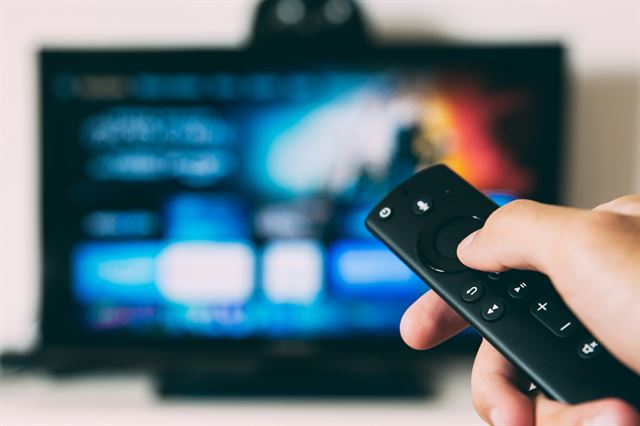
The Amazon Fire TV Stick 4K Max is a fast, affordable stick that ties into Alexa and Prime. Its calling card is that quick and affordable, backed up by wi-fi 6. It is the one to pick if you prioritize Prime and Alexa households. The catch is that amazon-pushing ui, and ad-heavy home. At $60 it is keenly priced for what it delivers, scoring 8.6/10 in our assessment.
Live with it for a while and the personality comes through. This is a service that rewards Prime and Alexa households specifically, and if that is you, the small compromises fade into the background. If it is not, those same compromises will nag at you, which is precisely why a head-to-head matters more than any single product's marketing.
✓ Pros
- Quick and affordable
- Wi-Fi 6
- Alexa built in
✗ Cons
- Amazon-pushing UI
- Ad-heavy home
Living with them day to day
Specs decide the shortlist, but daily use decides the winner. In practice, the gap between these services is smaller than the spec sheets imply — all of them get the fundamentals right. Where they diverge is in the texture of everyday use: how often you notice a strength, how often a limitation gets in the way, and whether the service fades into the background or keeps demanding your attention. The best choice is the one whose strengths line up with what you do most and whose weaknesses touch what you do least.
What actually matters when you choose
It is easy to be dazzled by a spec sheet or a slick ad, but the services that people stay happy with tend to score well on a short list of practical factors. These are the ones we weigh most heavily, and the ones worth keeping in mind as you compare your own shortlist.
Device speed and interface
A sluggish, ad-cluttered home screen sours every watch night. We value devices and apps that are fast, clean, and stay out of the way, because the platform you touch every evening matters as much as the content it serves.
Simultaneous streams and sharing
Households watch on multiple screens at once, and crackdowns on sharing have changed the math. We consider how many streams a plan allows, how it handles multiple profiles, and whether the rules fit a real family rather than a single viewer.
Library depth vs. your taste
A huge catalog is meaningless if it lacks what you actually watch. We weigh raw library size against genre strengths, because the right service for a sports fan, a prestige-drama devotee, and a family with young kids are three completely different answers, and paying for breadth you ignore is just waste.
Picture and sound quality
4K, HDR formats, and Dolby Atmos meaningfully change the experience on capable gear, but only some services and tiers deliver them. We clarify which combinations of service, device, and tier unlock the quality your TV is capable of so you are not paying for pixels you never see.
The differences that actually matter
Strip away the marketing and the real decision comes down to a few practical questions. If home cinema and gamers describes you, the LG C4 OLED TV is the natural fit — it is the most complete option and the one we would hand to a friend who just wants the best. If your priority is Prime and Alexa households, the Amazon Fire TV Stick 4K Max pulls ahead, trading a little polish for a better match to that specific need. The mistake is assuming one of them is simply “better” — they are tuned for different people.
Common mistakes to avoid
The difference between a purchase you love and one you quietly resent usually comes down to a handful of avoidable errors. Here are the ones we see most often.
- Paying for every service at once. The streaming era's defining waste is a stack of subscriptions you barely touch. Rotating one or two at a time around what you actually want to watch can cut the bill by more than half without missing a thing.
- Forgetting to cancel after the binge. Free trials and one-month sign-ups quietly renew for months. A quick calendar reminder to reassess each subscription turns streaming from a leaky bill into a controlled one.
- Buying a premium TV and skimping on sound. Built-in TV speakers undercut even the best picture. A modest soundbar transforms the experience far more than the last increment of display quality for most living rooms.
Frequently asked questions
What's the best way to watch live sports without cable?
Is an ad-supported plan worth it?
Should I keep my disc collection?
How can I lower my streaming bill?
How many streaming services do I actually need?
Which should you buy?
For most people, the LG C4 OLED TV is the one to get: it is the most well-rounded and the hardest to regret. Choose the Amazon Fire TV Stick 4K Max if Prime and Alexa households is your priority and you are happy to trade a little for it. Whichever you choose, you are not making a mistake — you are simply matching a very good service to the way you live, which is exactly how this decision should be made.
A few final tips before you buy
Whatever you ultimately choose, a little patience pays off. Set a budget you are comfortable with, write down the two or three things that genuinely matter to you, and ignore the rest of the spec sheet — it exists mostly to make comparison harder. The service that looks most impressive in a list is not always the one that fits your life, and the reverse is true just as often.
It also helps to think in terms of the next few years, not the next few weeks. The buyers who stay happiest are the ones who choose for their real, everyday routine rather than an aspirational version of it. Take your time, compare honestly, and trust that the right pick is the one that quietly does its job long after the excitement of buying it has faded.
Jordan tracks the streaming wars subscription by subscription and rotates services so you can pay for less.