Sonos Era 100 Review: Worth the Money?
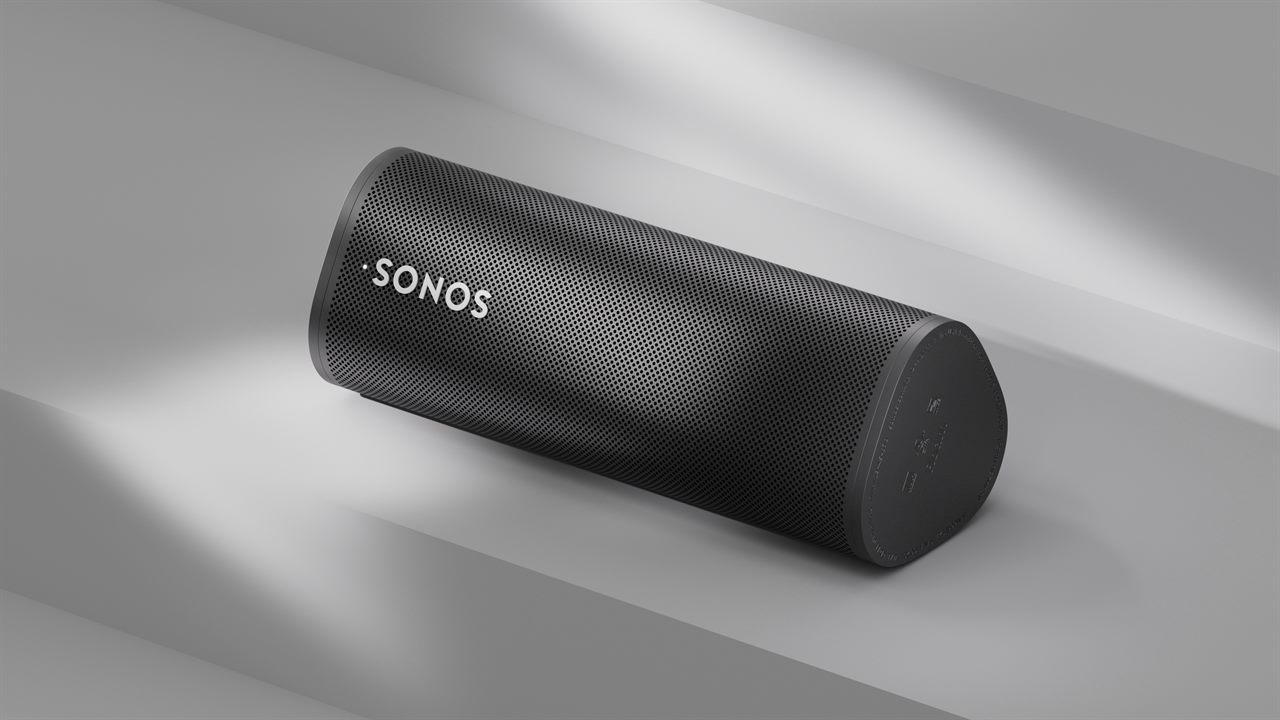
The short version, before we dig in: the Sonos Era 100 arrives with plenty of hype, a $249 price tag, and a promise to be the device you stop thinking about. After putting it through its paces, here is our honest take on whether it earns a place in your life.
The Sonos Era 100 is a superb-sounding speaker that anchors a whole-home audio system. On paper it ticks the right boxes — stereo pair-able, trueplay, voice — but specs only tell half the story. What matters is how it feels to live with over weeks, not minutes, and that is where this review focuses. We will cover design and build, real-world performance, value for money, and exactly who should buy it and who should look elsewhere.
★ Key takeaways
- Overall score: 9.0/10. One of the best in its class.
- Best for audio-first smart homes.
- Biggest strength: excellent sound.
- Main caveat: premium price.
Design and build
First impressions count, and the Sonos Era 100 makes a good one. The build quality feels appropriate for the $249 asking price, and the design choices lean practical rather than flashy. The details that owners tend to appreciate become obvious within the first few days — in particular, excellent sound. It does not reinvent the category, but it does refine the fundamentals in ways that make daily use more pleasant. There are a couple of compromises worth flagging: premium price, and walled-garden app. Neither is a deal-breaker for the audience it targets, but they are worth knowing before you commit.
Setup and first impressions
Getting started with the Sonos Era 100 is refreshingly straightforward. Out of the box, the essentials are easy to find and the initial setup takes only a few minutes, which lowers the barrier to actually using it rather than leaving it in a drawer. The packaging is sensible and the instructions clear, and within the first session you get a feel for whether the device fits your routine. That early impression matters more than people admit: products you enjoy from day one are the ones you keep reaching for, and the Sonos Era 100 starts on the right foot.
Performance in real life
This is where the Sonos Era 100 either justifies its price or falls short, and for the most part it justifies it. Easy multi-room. In typical use it handles its core job confidently, and the experience holds up under the kind of repeated, unglamorous demands that expose weaker products. After living with it for a while, it proved consistent rather than temperamental, which is exactly what you want from a device you rely on. It is not perfect — premium price occasionally reminds you of the trade-offs — but the strengths comfortably outweigh the niggles for its intended user.
What stands out over time is consistency. Plenty of products impress in a quick demo and then reveal rough edges once the novelty fades; the Sonos Era 100 largely avoids that trap. It does the same thing well, repeatedly, without demanding much from you, and that reliability is worth more in daily life than any single headline feature. If you have been burned by a device that promised a lot and delivered sporadically, this one should restore some faith.
How it compares to the competition
No device exists in a vacuum, and the Sonos Era 100 faces real pressure from both cheaper and pricier rivals. Against budget alternatives, it justifies the step up through excellent sound and a more polished overall experience. Against the premium tier, it holds its own by covering the fundamentals that most people actually use, rather than charging extra for features that look good on a box and rarely get touched. For audio-first smart homes, that middle ground is exactly where the smart money tends to sit.
What actually matters when you choose
It is easy to be dazzled by a spec sheet or a slick ad, but the devices that people stay happy with tend to score well on a short list of practical factors. These are the ones we weigh most heavily, and the ones worth keeping in mind as you compare your own shortlist.
Power, wiring, and battery reality
Wired devices are reliable but constrain placement; battery devices are flexible but need recharging. We flag the practical wiring requirements, neutral-wire needs, and battery life so you are not surprised on installation day or three months in.
Privacy and data handling
Microphones, cameras, and presence sensors are intimate by nature. We consider where data is stored, whether local options exist, and how transparent the company is, because convenience should not require handing over a live feed of your home with no second thought.
Genuine usefulness vs. novelty
Plenty of smart gadgets are solutions in search of a problem. We separate the devices that meaningfully save time, money, or hassle from the ones that are merely clever, because a home full of half-used gimmicks is more friction, not less.
Ecosystem and Matter support
The first decision in any smart home is which assistant and standard you build around. We weigh how well a device plays with Alexa, Google Home, and Apple Home, and whether it supports Matter and Thread, the standards designed to keep your devices working together as the market shifts under them.
Is it worth the price?
At $249, the Sonos Era 100 sits toward the premium end, and it earns that position. The line-in support adds genuine long-term value. The question is not whether it is cheap — it is whether it delivers enough over its lifetime to justify the spend, and for audio-first smart homes, it does. If your needs are lighter, a less expensive option may serve you just as well, and we would not push you to overspend. But if this device matters in your routine, paying for the better version tends to pay off.
Pros and cons
✓ Pros
- Excellent sound
- Easy multi-room
- Line-in support
✗ Cons
- Premium price
- Walled-garden app
Who should buy it?
The Sonos Era 100 is an easy recommendation for audio-first smart homes. If that describes you, it will likely become one of those purchases you forget you made because it simply works. It is a less obvious choice if budget is your overriding concern or if you only need the basics, in which case the money is better spent elsewhere. As always, the best device is the one that fits your actual needs — and for the right person, this is a very good one.
Frequently asked questions
Do I need a smart home hub?
What is Matter and should I care?
Which ecosystem should I choose?
Are smart home devices a privacy risk?
How do I start without overspending?
The verdict
The Sonos Era 100 earns a 9.0/10. It is genuinely excellent, with excellent sound as its headline strength and premium price as its main compromise. For audio-first smart homes, it is well worth the $249. It will not be the right pick for everyone, but it knows exactly who it is for — and it serves that person remarkably well.
A few final tips before you buy
Whatever you ultimately choose, a little patience pays off. Set a budget you are comfortable with, write down the two or three things that genuinely matter to you, and ignore the rest of the spec sheet — it exists mostly to make comparison harder. The device that looks most impressive in a list is not always the one that fits your life, and the reverse is true just as often.
It also helps to think in terms of the next few years, not the next few weeks. The buyers who stay happiest are the ones who choose for their real, everyday routine rather than an aspirational version of it. Take your time, compare honestly, and trust that the right pick is the one that quietly does its job long after the excitement of buying it has faded.
Which ecosystem should I choose? Pick the one tied to the phones and speakers you already use. Apple Home favors privacy and tight integration, Google leans on smart answers and displays, and Alexa offers the widest device support and the most affordable hardware.
Priya automates everything she can and rips out anything her family complains about, which keeps her reviews honest.