iRobot Roomba j7+ vs Sonos Era 100 vs Nanoleaf Shapes: Which Wins
Let's be honest: iRobot Roomba j7+ and Sonos Era 100 and Nanoleaf Shapes are among the most cross-shopped devices out there, and for good reason — they are all genuinely good. The hard part is figuring out which one is right for you. This head-to-head breaks down where each wins, where each compromises, and which you should actually buy.
On the surface these devices look similar, and any of them would serve most people well. But the differences that seem minor on a spec sheet are exactly the ones you notice every day. We have weighed them against the factors that matter for automation power users and renters who can't rewire, so you can skip the analysis paralysis and choose with confidence.
★ Key takeaways
- Best overall: iRobot Roomba j7+ — the most well-rounded choice.
- Best value: Nanoleaf Shapes.
- They are closer than the marketing suggests — your use case decides the winner.
- Read the “which should you buy” section for a clear recommendation.

iRobot Roomba j7+
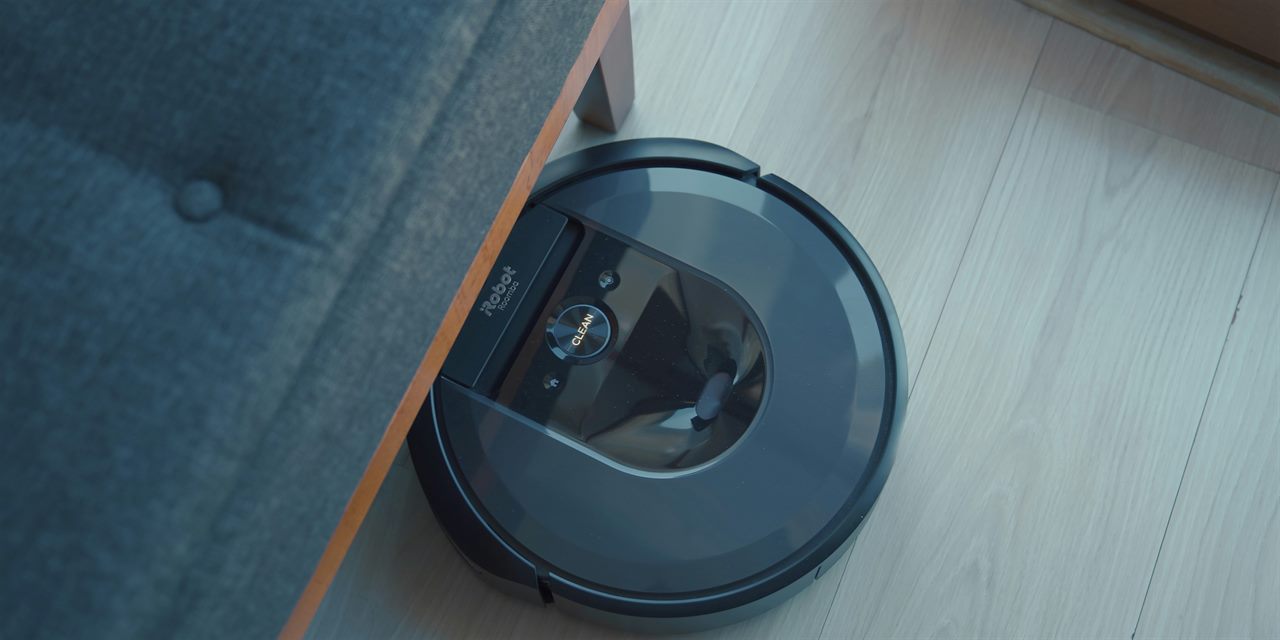
Across our testing the iRobot Roomba j7+ struck the best balance of the field: avoids cords and pet waste, self-empty base. It is the one we would buy without overthinking it.
At a glance
Before the deep dive, here is the quick side-by-side.
| Smart device | Best for | Highlights | Price | Score |
|---|---|---|---|---|
| iRobot Roomba j7+🏆 Winner | hands-off floor cleaning | Auto-empty, Obstacle AI, Mapping | $599 | 8.9/10 |
| Sonos Era 100 | audio-first smart homes | Stereo pair-able, Trueplay, Voice | $249 | 9.0/10 |
| Nanoleaf Shapes | creative ambiance and gaming rooms | Modular panels, Touch control, Music sync | $200 | 8.4/10 |
How they compare
iRobot Roomba j7+
The iRobot Roomba j7+ is a self-emptying robot that learns your floor plan and dodges the mess. Its calling card is that avoids cords and pet waste, backed up by self-empty base. It is the one to pick if you prioritize hands-off floor cleaning. The catch is that pricey, and subscription nudges. At $599 it is keenly priced for what it delivers, scoring 8.9/10 in our assessment.
Live with it for a while and the personality comes through. This is a device that rewards hands-off floor cleaning specifically, and if that is you, the small compromises fade into the background. If it is not, those same compromises will nag at you, which is precisely why a head-to-head matters more than any single product's marketing.
✓ Pros
- Avoids cords and pet waste
- Self-empty base
- Good mapping
✗ Cons
- Pricey
- Subscription nudges
Sonos Era 100

The Sonos Era 100 is a superb-sounding speaker that anchors a whole-home audio system. Its calling card is that excellent sound, backed up by easy multi-room. It is the one to pick if you prioritize audio-first smart homes. The catch is that premium price, and walled-garden app. At $249 it is a premium but justifiable choice, scoring 9.0/10 in our assessment.
Live with it for a while and the personality comes through. This is a device that rewards audio-first smart homes specifically, and if that is you, the small compromises fade into the background. If it is not, those same compromises will nag at you, which is precisely why a head-to-head matters more than any single product's marketing.
✓ Pros
- Excellent sound
- Easy multi-room
- Line-in support
✗ Cons
- Premium price
- Walled-garden app
Nanoleaf Shapes

The Nanoleaf Shapes is modular light panels that turn a wall into customizable ambiance. Its calling card is that striking effect, backed up by music and touch control. It is the one to pick if you prioritize creative ambiance and gaming rooms. The catch is that expensive per panel, and adhesive can mark walls. At $200 it is keenly priced for what it delivers, scoring 8.4/10 in our assessment.
Live with it for a while and the personality comes through. This is a device that rewards creative ambiance and gaming rooms specifically, and if that is you, the small compromises fade into the background. If it is not, those same compromises will nag at you, which is precisely why a head-to-head matters more than any single product's marketing.
✓ Pros
- Striking effect
- Music and touch control
- Expandable
✗ Cons
- Expensive per panel
- Adhesive can mark walls
Living with them day to day
Specs decide the shortlist, but daily use decides the winner. In practice, the gap between these devices is smaller than the spec sheets imply — all of them get the fundamentals right. Where they diverge is in the texture of everyday use: how often you notice a strength, how often a limitation gets in the way, and whether the device fades into the background or keeps demanding your attention. The best choice is the one whose strengths line up with what you do most and whose weaknesses touch what you do least.
What actually matters when you choose
It is easy to be dazzled by a spec sheet or a slick ad, but the devices that people stay happy with tend to score well on a short list of practical factors. These are the ones we weigh most heavily, and the ones worth keeping in mind as you compare your own shortlist.
Subscription fees and hidden costs
Cameras and doorbells increasingly lock their best features behind monthly fees. We are explicit about what works for free, what requires a subscription, and whether a slightly pricier device with no ongoing cost is the better long-term buy.
Genuine usefulness vs. novelty
Plenty of smart gadgets are solutions in search of a problem. We separate the devices that meaningfully save time, money, or hassle from the ones that are merely clever, because a home full of half-used gimmicks is more friction, not less.
Ecosystem and Matter support
The first decision in any smart home is which assistant and standard you build around. We weigh how well a device plays with Alexa, Google Home, and Apple Home, and whether it supports Matter and Thread, the standards designed to keep your devices working together as the market shifts under them.
Local control vs. cloud dependence
A device that only works when a company's servers are online is a liability. We favor gear with local control, so your lights and locks keep functioning during an internet outage and keep working even if the manufacturer changes its plans or sunsets an app.
The differences that actually matter
Strip away the marketing and the real decision comes down to a few practical questions. If hands-off floor cleaning describes you, the iRobot Roomba j7+ is the natural fit — it is the most complete option and the one we would hand to a friend who just wants the best. If your priority is audio-first smart homes, the Sonos Era 100 pulls ahead, trading a little polish for a better match to that specific need. And if creative ambiance and gaming rooms is your situation, the Nanoleaf Shapes makes the most sense, especially once you weigh its price against the alternatives. The mistake is assuming one of them is simply “better” — they are tuned for different people.
Common mistakes to avoid
The difference between a purchase you love and one you quietly resent usually comes down to a handful of avoidable errors. Here are the ones we see most often.
- Forgetting the subscription math. A cheap camera with a mandatory monthly plan can cost far more over a couple of years than a pricier subscription-free model. Always add the ongoing fees before comparing sticker prices.
- Ignoring local control. Gadgets that depend entirely on the cloud stop working during outages and can be bricked when a company changes course. Local control is the difference between a resilient home and a pile of paperweights.
- Underestimating the household test. The most impressive automation is worthless if your family fights it. If a smart switch is less reliable than the dumb one it replaced, it will be torn out within a month, no matter how clever it is.
Frequently asked questions
Do I need a smart home hub?
Do smart thermostats really save money?
Are smart home devices a privacy risk?
Will my devices work during an internet outage?
How do I start without overspending?
Which should you buy?
For most people, the iRobot Roomba j7+ is the one to get: it is the most well-rounded and the hardest to regret. Choose the Sonos Era 100 if audio-first smart homes is your priority and you are happy to trade a little for it. The Nanoleaf Shapes is the pick when creative ambiance and gaming rooms matters most or budget is the deciding factor. Whichever you choose, you are not making a mistake — you are simply matching a very good device to the way you live, which is exactly how this decision should be made.
Chris has wired, re-wired, and occasionally bricked his own smart home so you don't have to repeat his mistakes.