Best Voice Assistants and Smart Speakers Compared
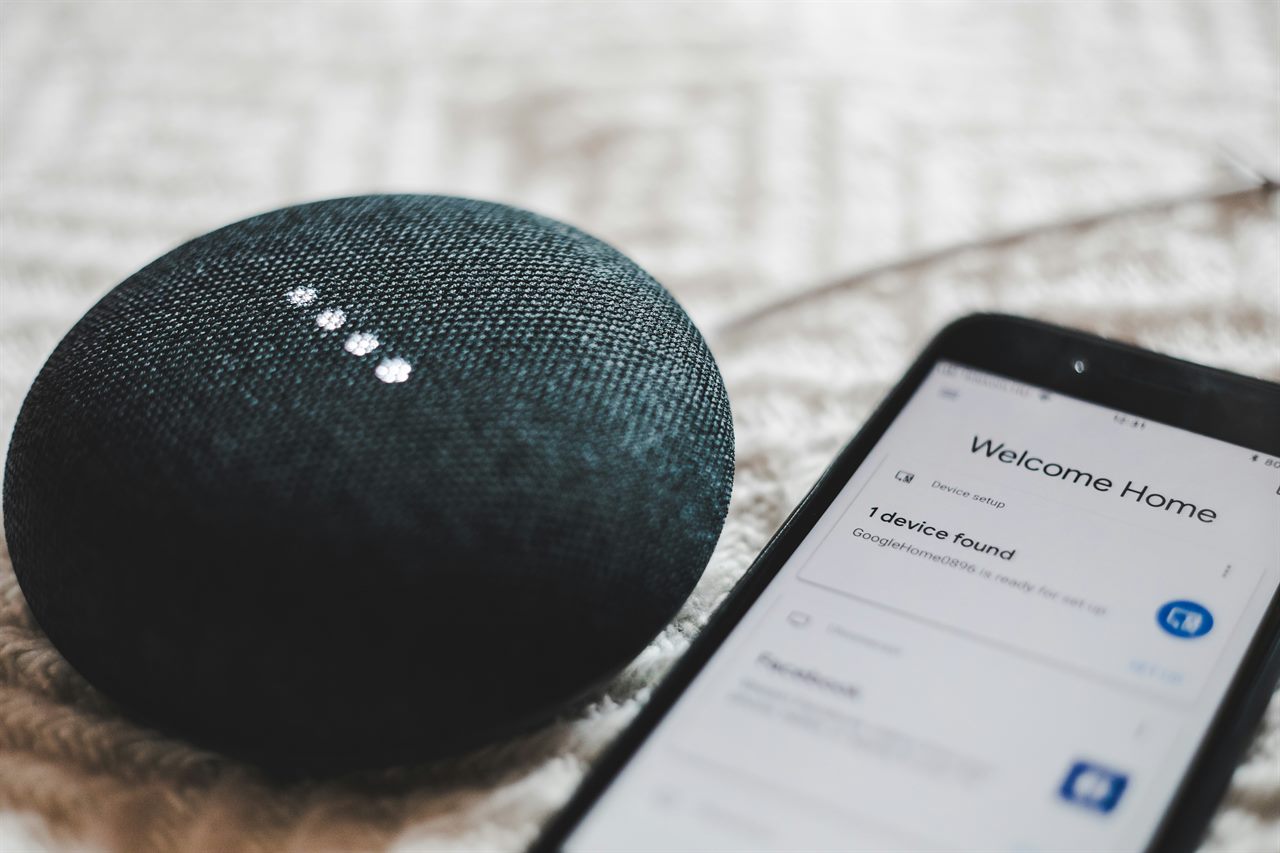
There's no shortage of options out there, and that's exactly the problem. the market for devices is crowded, fast-moving, and full of options that look great until you live with them. This guide cuts the field down to the 3 devices we would genuinely recommend right now, and explains exactly who each one is for.
We have spent years comparing devices for smart-home beginners and Alexa and Google households alike, and the same lesson keeps repeating: the “best” choice is rarely the most expensive or the most hyped one. It is the one that fits how you actually live. Below, every pick earned its place on merit, with the trade-offs spelled out so you can match it to your needs and budget rather than ours.
★ Key takeaways
- Our top overall pick is the Sonos Era 100, best for audio-first smart homes.
- Best value goes to a sub-flagship option that covers the essentials without the premium.
- Spend more only where it changes the experience — we flag exactly where that is.
- Skip the hype features you will never use; match the device to your real routine.
How we chose
Our picks are not a list of whatever is trending. We weigh real-world performance, durability, value over the lifetime of ownership, and the experiences of long-term owners rather than day-one excitement. We deliberately include options at different price points, because the right device for a tight budget is a different animal from the right one for someone ready to splurge. Where a cheaper option does the job nearly as well as a flagship, we say so plainly.
We also cross-checked each pick against months of owner feedback, looking for the recurring complaints that only surface after the honeymoon period. A device can dazzle in a showroom or a launch video and still frustrate you a year later, so longevity and after-sales support carried real weight in our ranking. The result is a shortlist we would be comfortable recommending to family, not just a roundup engineered to sell you the most expensive option.
What actually matters when you choose
It is easy to be dazzled by a spec sheet or a slick ad, but the devices that people stay happy with tend to score well on a short list of practical factors. These are the ones we weigh most heavily, and the ones worth keeping in mind as you compare your own shortlist.
Ecosystem and Matter support
The first decision in any smart home is which assistant and standard you build around. We weigh how well a device plays with Alexa, Google Home, and Apple Home, and whether it supports Matter and Thread, the standards designed to keep your devices working together as the market shifts under them.
Subscription fees and hidden costs
Cameras and doorbells increasingly lock their best features behind monthly fees. We are explicit about what works for free, what requires a subscription, and whether a slightly pricier device with no ongoing cost is the better long-term buy.
Privacy and data handling
Microphones, cameras, and presence sensors are intimate by nature. We consider where data is stored, whether local options exist, and how transparent the company is, because convenience should not require handing over a live feed of your home with no second thought.
Genuine usefulness vs. novelty
Plenty of smart gadgets are solutions in search of a problem. We separate the devices that meaningfully save time, money, or hassle from the ones that are merely clever, because a home full of half-used gimmicks is more friction, not less.
Local control vs. cloud dependence
A device that only works when a company's servers are online is a liability. We favor gear with local control, so your lights and locks keep functioning during an internet outage and keep working even if the manufacturer changes its plans or sunsets an app.
The best devices, ranked

Sonos Era 100
The Sonos Era 100 is a superb-sounding speaker that anchors a whole-home audio system. It tops our list because it strikes the most complete balance of the things that matter — capability, reliability, and value — without forcing you to compromise on any one of them. For most readers, this is the safe, smart default, and the one we reach for when someone wants a recommendation without a lengthy discussion. In day-to-day use, the excellent sound is what owners praise most, with easy multi-room a close second. The main thing to weigh before buying is that premium price, and walled-garden app, though neither is likely to bother the people it is aimed at.
At $249, it is easy to recommend provided that fits your budget and the way you will actually use it. If audio-first smart homes sounds like you, it deserves a serious look; if not, one of the other entries on this list will probably suit you better, and that is exactly the point of ranking them rather than crowning a single winner.
✓ Pros
- Excellent sound
- Easy multi-room
- Line-in support
✗ Cons
- Premium price
- Walled-garden app

Amazon Echo (5th Gen)
The Amazon Echo (5th Gen) is a capable smart speaker that doubles as a hub for many devices. It stands out as a compelling option thanks to a focused set of strengths that make it ideal for Alexa-first households, even if it does not try to be all things to all people. In day-to-day use, the built-in smart-home hub is what owners praise most, with good sound for size a close second. The main thing to weigh before buying is that privacy considerations, and best in amazon ecosystem, though neither is likely to bother the people it is aimed at.
At $100, it is good value for what it offers provided that fits your budget and the way you will actually use it. If Alexa-first households sounds like you, it deserves a serious look; if not, one of the other entries on this list will probably suit you better, and that is exactly the point of ranking them rather than crowning a single winner.
✓ Pros
- Built-in smart-home hub
- Good sound for size
- Huge device support
✗ Cons
- Privacy considerations
- Best in Amazon ecosystem

Google Nest Hub (2nd Gen)
The Google Nest Hub (2nd Gen) is a tidy smart display that controls your home and shows you the day at a glance. It stands out as a worthy option thanks to a focused set of strengths that make it ideal for Google-ecosystem homes, even if it does not try to be all things to all people. In day-to-day use, the useful screen is what owners praise most, with great for routines a close second. The main thing to weigh before buying is that no video calls, and assistant changes frequently, though neither is likely to bother the people it is aimed at.
At $100, it is good value for what it offers provided that fits your budget and the way you will actually use it. If Google-ecosystem homes sounds like you, it deserves a serious look; if not, one of the other entries on this list will probably suit you better, and that is exactly the point of ranking them rather than crowning a single winner.
✓ Pros
- Useful screen
- Great for routines
- No camera for privacy
✗ Cons
- No video calls
- Assistant changes frequently
Quick comparison
If you just want the headline differences side by side, here is how our picks stack up.
| Smart device | Best for | Highlights | Price | Score |
|---|---|---|---|---|
| Sonos Era 100🏆 Winner | audio-first smart homes | Stereo pair-able, Trueplay, Voice | $249 | 9.0/10 |
| Amazon Echo (5th Gen) | Alexa-first households | Alexa, Temp sensor, Zigbee hub | $100 | 8.8/10 |
| Google Nest Hub (2nd Gen) | Google-ecosystem homes | 7in screen, Sleep sensing, Assistant | $100 | 8.6/10 |
Common mistakes to avoid
The difference between a purchase you love and one you quietly resent usually comes down to a handful of avoidable errors. Here are the ones we see most often.
- Ignoring local control. Gadgets that depend entirely on the cloud stop working during outages and can be bricked when a company changes course. Local control is the difference between a resilient home and a pile of paperweights.
- Buying devices before choosing an ecosystem. Mixing platforms at random leads to a graveyard of apps that do not talk to each other. Pick your primary assistant and favor devices that support Matter so your setup survives the next industry shake-up.
- Forgetting the subscription math. A cheap camera with a mandatory monthly plan can cost far more over a couple of years than a pricier subscription-free model. Always add the ongoing fees before comparing sticker prices.
Frequently asked questions
Will my devices work during an internet outage?
Are smart home devices a privacy risk?
Do I need a smart home hub?
Can renters use smart home tech?
How do I start without overspending?
What is Matter and should I care?
The verdict
If you want a single recommendation, the Sonos Era 100 is the one to beat: it suits the widest range of people and rarely disappoints. But the real takeaway is to match the device to your situation. Amazon Echo (5th Gen) and Google Nest Hub (2nd Gen) are excellent if their particular strengths line up with how you will actually use them. Buy the one that solves your problem today, not the one with the longest spec sheet, and you will be happy long after the novelty wears off.
Priya automates everything she can and rips out anything her family complains about, which keeps her reviews honest.