Yankee-Free Soy Candle Set vs Coway Airmega AP-1512HH: Which Should You Buy in 2026

Let's be honest: Yankee-Free Soy Candle Set and Coway Airmega AP-1512HH are among the most cross-shopped products out there, and for good reason — they are all genuinely good. The hard part is figuring out which one is right for you. This head-to-head breaks down where each wins, where each compromises, and which you should actually buy.
On the surface these products look similar, and any of them would serve most people well. But the differences that seem minor on a spec sheet are exactly the ones you notice every day. We have weighed them against the factors that matter for families with young kids and small-space dwellers, so you can skip the analysis paralysis and choose with confidence.
★ Key takeaways
- Best overall: Yankee-Free Soy Candle Set — the most well-rounded choice.
- Best value: Yankee-Free Soy Candle Set.
- They are closer than the marketing suggests — your use case decides the winner.
- Read the “which should you buy” section for a clear recommendation.

Yankee-Free Soy Candle Set
Across our testing the Yankee-Free Soy Candle Set struck the best balance of the field: long burn time, subtle, natural scents. It is the one we would buy without overthinking it.
At a glance
Before the deep dive, here is the quick side-by-side.
| Home product | Best for | Highlights | Price | Score |
|---|---|---|---|---|
| Yankee-Free Soy Candle Set🏆 Winner | cozy, low-key ambiance | Soy wax, 60hr burn, Natural scents | $45 | 8.4/10 |
| Coway Airmega AP-1512HH | allergy sufferers and pet homes | True HEPA, Auto mode, Quiet | $230 | 9.0/10 |
How they compare
Yankee-Free Soy Candle Set
The Yankee-Free Soy Candle Set is a clean-burning candle set that scents a room without overpowering it. Its calling card is that long burn time, backed up by subtle, natural scents. It is the one to pick if you prioritize cozy, low-key ambiance. The catch is that pricier than paraffin, and scent throw is gentle. At $45 it is keenly priced for what it delivers, scoring 8.4/10 in our assessment.
Live with it for a while and the personality comes through. This is a product that rewards cozy, low-key ambiance specifically, and if that is you, the small compromises fade into the background. If it is not, those same compromises will nag at you, which is precisely why a head-to-head matters more than any single product's marketing.
✓ Pros
- Long burn time
- Subtle, natural scents
- No soot
✗ Cons
- Pricier than paraffin
- Scent throw is gentle
Coway Airmega AP-1512HH

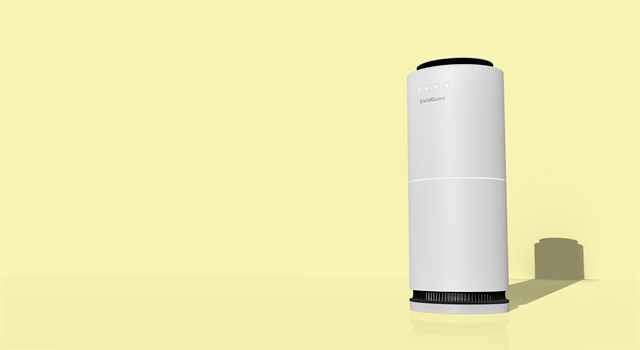
The Coway Airmega AP-1512HH is a quiet, efficient purifier that genuinely clears a room. Its calling card is that strong filtration, backed up by quiet on auto. It is the one to pick if you prioritize allergy sufferers and pet homes. The catch is that dated app, and plain design. At $230 it is a premium but justifiable choice, scoring 9.0/10 in our assessment.
Live with it for a while and the personality comes through. This is a product that rewards allergy sufferers and pet homes specifically, and if that is you, the small compromises fade into the background. If it is not, those same compromises will nag at you, which is precisely why a head-to-head matters more than any single product's marketing.
✓ Pros
- Strong filtration
- Quiet on auto
- Reasonable filter costs
✗ Cons
- Dated app
- Plain design
Living with them day to day
Specs decide the shortlist, but daily use decides the winner. In practice, the gap between these products is smaller than the spec sheets imply — all of them get the fundamentals right. Where they diverge is in the texture of everyday use: how often you notice a strength, how often a limitation gets in the way, and whether the product fades into the background or keeps demanding your attention. The best choice is the one whose strengths line up with what you do most and whose weaknesses touch what you do least.
What actually matters when you choose
It is easy to be dazzled by a spec sheet or a slick ad, but the products that people stay happy with tend to score well on a short list of practical factors. These are the ones we weigh most heavily, and the ones worth keeping in mind as you compare your own shortlist.
Versatility across a move
The best home buys earn their place in more than one room and survive a move to the next home. We favor flexible, timeless pieces over hyper-specific ones that only work in a single layout you may not keep.
Scale and the tape measure
The single most common home regret is buying furniture that does not fit the space. Before anything else, we measure the room, the doorways, and the path the item must travel to get inside. A beautiful sofa that cannot make the turn into your living room is just an expensive lesson.
Cleaning and real-world maintenance
Homes are lived in, not staged. We favor pieces that survive spills, pets, and kids: washable covers, wipeable surfaces, and finishes that hide everyday wear. The most stylish item in the catalog is the wrong choice if it cannot handle your actual household.
Materials and how they age
Solid wood, top-grain leather, and natural fibers cost more up front but improve or wear gracefully; cheap veneers and bonded leather can look great on day one and tired within a year. We weigh how each material behaves after years of real, daily life.
The differences that actually matter
Strip away the marketing and the real decision comes down to a few practical questions. If cozy, low-key ambiance describes you, the Yankee-Free Soy Candle Set is the natural fit — it is the most complete option and the one we would hand to a friend who just wants the best. If your priority is allergy sufferers and pet homes, the Coway Airmega AP-1512HH pulls ahead, trading a little polish for a better match to that specific need. The mistake is assuming one of them is simply “better” — they are tuned for different people.
Common mistakes to avoid
The difference between a purchase you love and one you quietly resent usually comes down to a handful of avoidable errors. Here are the ones we see most often.
- Decorating before organizing. People buy decor to fix a room that is really just cluttered. Solving storage first almost always makes a space feel calmer than another object on the shelf ever could.
- Buying for the room you wish you had instead of the one you have. Oversized furniture is the number-one home regret. Measure twice, account for walkways, and respect the room's real proportions before falling for a showroom piece.
- Underestimating assembly and delivery. A “bargain” flat-pack can mean a lost weekend and a wobbly result, while skipping white-glove delivery on a heavy item can leave you stuck at the front door.
Frequently asked questions
What single change improves a bedroom most?
How do I keep a home tidy long-term?
Is a more expensive mattress worth it?
Solid wood or engineered furniture?
How often should I replace key items?
Which should you buy?
For most people, the Yankee-Free Soy Candle Set is the one to get: it is the most well-rounded and the hardest to regret. Choose the Coway Airmega AP-1512HH if allergy sufferers and pet homes is your priority and you are happy to trade a little for it. Whichever you choose, you are not making a mistake — you are simply matching a very good product to the way you live, which is exactly how this decision should be made.
A few final tips before you buy
Whatever you ultimately choose, a little patience pays off. Set a budget you are comfortable with, write down the two or three things that genuinely matter to you, and ignore the rest of the spec sheet — it exists mostly to make comparison harder. The product that looks most impressive in a list is not always the one that fits your life, and the reverse is true just as often.
It also helps to think in terms of the next few years, not the next few weeks. The buyers who stay happiest are the ones who choose for their real, everyday routine rather than an aspirational version of it. Take your time, compare honestly, and trust that the right pick is the one that quietly does its job long after the excitement of buying it has faded.
Marcus is a former cabinetmaker turned home-goods reviewer who measures everything twice and buys it once.