The Theragun Mini Here Is One Generation Behind
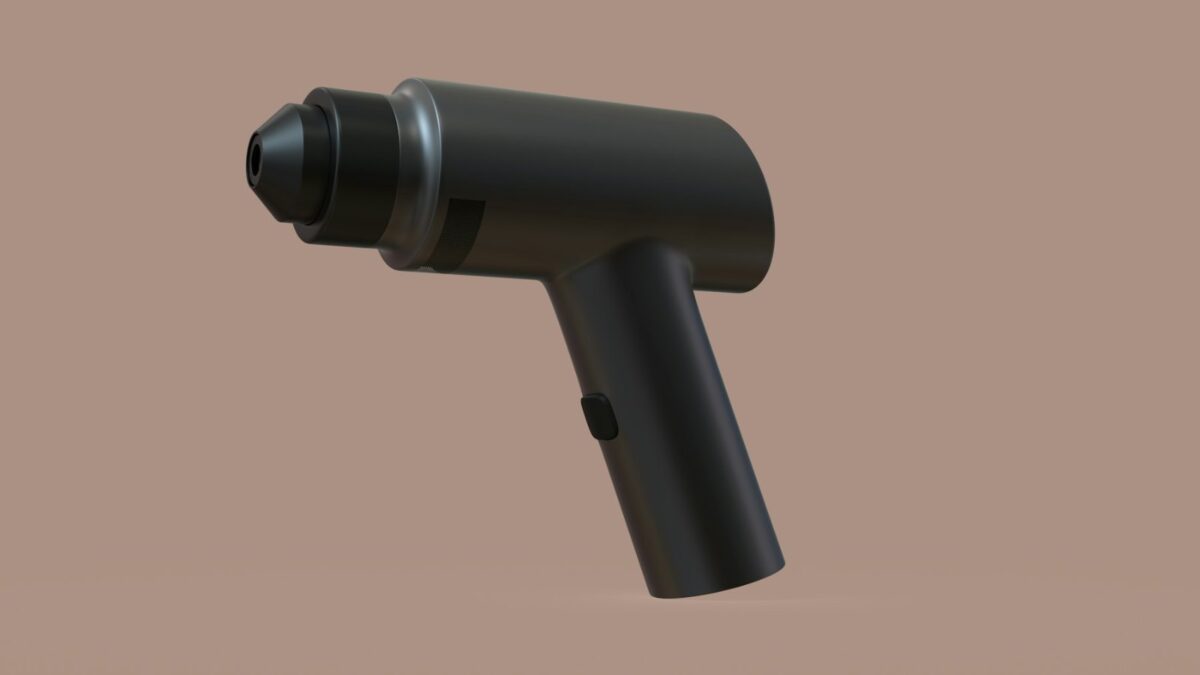
Therabody's own product page marks the 2nd-generation Theragun Mini's gray colorway discontinued, and a 3rd generation already replaced it. Here's what that means before buying.
Therabody’s product page for the Theragun Mini 2nd Generation, in gray, carries one word that should stop a reader before checkout: Discontinued. A 3rd Generation Mini already exists, priced lower on sale than the 2nd generation’s regular price, and Tom’s Guide’s review of the Mini found real limits even before the discontinuation — stalling under pressure on quads and glutes, an amplitude the reviewer called merely average, and only one attachment in the box. This piece covers what the Mini still does well, where it doesn’t, and the one other roster product that fits a wellness list honestly.
Discontinued, Not Just Discounted
Therabody sells a Theragun Mini 3rd Generation now — described on its own product page as the smallest and lightest Theragun ever — at $179.99 on sale, $219.99 regular. The 2nd Generation, in the gray colorway, is listed at $189.99 and marked Discontinued on Therabody’s own site. A shopper looking at a 2nd Generation Mini for sale is looking at old stock of a product the manufacturer has already stopped making in that color, not a currently discounted current model — a distinction that matters for anyone assuming a lower price this year means a newer product.
The two generations aren’t far apart on the spec sheet. The 2nd Generation runs 120 minutes on a charge and weighs 0.45 kg; the 3rd Generation runs 150 minutes, weighs 0.40 kg, and ships with three attachments. Both hit the same percussion speeds — 1750, 2100 and 2400 PPM — and both carry a 1-year warranty. Neither has Bluetooth, which rules out app-guided routines regardless of which generation ends up on a desk or in a gym bag. Buying the discontinued unit doesn’t trade away power; it trades away 30 minutes of runtime, 50 grams of weight, and two attachments.
The Amplitude and Noise Numbers
Tom’s Guide’s review measured the Mini’s amplitude at 12 mm, calling it about average for the category, and its noise between 50 and 65 decibels — audible in a quiet room, not disruptive in a shared one. Those aren’t damning numbers on their own; a device this size and weight was never going to match a full-size Theragun on amplitude, and nothing in Therabody’s own specifications for either generation claims otherwise. They matter mainly as a baseline for what the device is actually capable of before pressure gets applied to a specific muscle, which is where the review’s more pointed finding shows up.
Stalling on Quads and Glutes
That’s where Tom’s Guide’s review gets more specific: it reported the device stalling and recoiling under pressure on larger muscle groups — quads and glutes specifically — which is exactly where more pressure is often needed to reach a knotted muscle. The review also noted the Mini ships with a single attachment, against four included with the Theragun Prime, a model that costs roughly $100 more. That’s a real trade-off, not a footnote: the Mini’s low price buys a smaller, lighter device with less attachment variety and a documented weak spot on the muscle groups a lot of buyers reach for a massage gun to treat in the first place. Nothing about the 3rd Generation’s spec sheet — same percussion speeds, no mention of a redesigned motor — suggests that particular limitation was fixed rather than simply carried forward in a lighter shell.
A Ten-Dollar Gap That Isn’t Really Ten Dollars
At list, the difference between generations is $30: $219.99 for the 3rd Generation versus $189.99 for the 2nd. On sale, the 3rd Generation drops to $179.99 — ten dollars cheaper than the 2nd Generation’s list price, for a lighter unit, 30 extra minutes of battery, and more attachments in the box. There’s no version of this comparison where the discontinued 2nd Generation is the better purchase if the 3rd Generation is available at or near its sale price; the only case for the older unit is a discount steeper than that, and even then the smaller attachment count and quad-and-glute stalling still apply to both, since neither issue was specific to one generation’s hardware.
The Other Kind of Self-Care This Roster Has
Percussion massage is the only product in this roster built specifically for physical recovery, but a Kindle Paperwhite belongs in a wellness conversation for a different reason: reading from an e-ink screen instead of a phone before bed is its own small habit, and the 2024 (12th generation) Paperwhite is built for it. It weighs 211 grams, is rated IPX8 for water resistance (1 meter for 60 minutes, so bath or poolside reading is covered), and comes with 16 GB of storage, 32 GB on the Signature Edition, over a USB-C port — specs aimed squarely at reading somewhere a phone wouldn’t be a good idea.
Amazon claims up to 12 weeks of battery life on a 1,900 mAh cell; that figure comes from the manufacturer rather than independent testing in this sourcing, and Amazon’s own site blocked a direct fetch during research for this piece, so treat the battery claim as moderate-confidence rather than verified. Good e-Reader and Android Authority both reviewed the device without disputing the core specs, which is as close to independent confirmation as the sourcing here provides. It’s a different kind of self-care purchase than a massage device — a way of stepping away from a phone rather than a way of recovering from a workout — but it belongs on this list on its own terms, not as filler.
What Actually Makes Sense to Buy
For percussion massage specifically, the 3rd Generation is the more sensible purchase whenever its price sits at or below the 2nd Generation’s $189.99 — more battery, less weight, more attachments, for the same or less money. The discontinued 2nd Generation only makes sense at a discount steep enough to beat that math, and even then a buyer is getting a device Tom’s Guide found stalls on quads and glutes regardless of which generation is under the hand.
The Kindle Paperwhite isn’t a substitute for either — it solves a different problem — but it’s the one other product in this roster that belongs in a wellness list without being stretched into the category. Between the three, the honest shortlist is the 3rd Generation Mini for recovery and the Paperwhite for winding down, with the discontinued 2nd Generation worth buying only when the discount does more work than the newer model’s extra 30 minutes and lighter build.
Sources: Therabody · Therabody · Tom’s Guide · Good e-Reader · Android Authority
Articles on Read Vault are researched and written by the site’s editorial team.