The Three-Month Test for Whether a Gift Was Actually Worth Giving
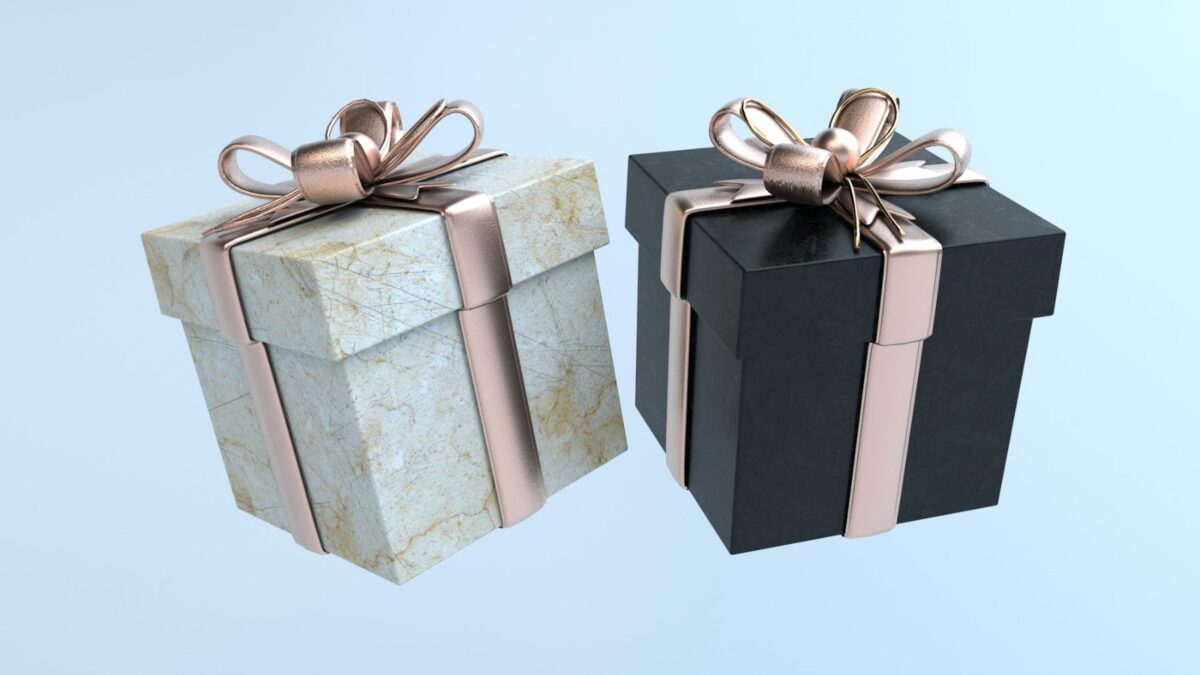
The real test of a gift is what's true about it three months later. Five products in the roster answer that question honestly, and not all the answers flatter them.
The real test of a gift isn’t the moment it’s unwrapped, it’s what’s true about it three months later — whether the battery inside it is dead and needs a special purchase to fix, whether it’s still sitting on a counter because using it requires planning that never quite happens, or whether it’s been quietly replaced by something the giver didn’t know was already obsolete. Four products in Read Vault’s roster make good test cases, because each one has a specific answer to what happens after the wrapping paper is gone, and the answers aren’t all flattering.
The AirTag’s Battery Is Disposable, and That’s a Small Tax Worth Paying
The Apple AirTag runs on a replaceable CR2032 coin cell rated for about a year, according to Apple’s own specifications, which means a gift given today will need a small battery purchase sometime next year to keep working. That’s a real, if minor, maintenance cost — worth knowing before assuming a tracker is entirely zero-upkeep.
What it buys in return is a tracker that’s already the 2nd generation: Apple’s four-pack sells for 99 dollars, and the current hardware, announced 26 January 2026, adds a new UWB chip and frequently rotating Bluetooth identifiers aimed at making the device harder to use for tracking someone without consent. That second part matters for a gift specifically, because the AirTag’s documented history includes real misuse — NPR reported on a stalking lawsuit against Apple in December 2022 involving an AirTag planted in a car’s wheel well by an ex-partner. Apple’s protections, including unwanted-tracker alerts and an audible chirp after prolonged separation from the owner, are reactive: they notify someone after tracking has already started, not before. A four-pack is a genuinely useful gift for luggage and keys; it’s worth being deliberate about who else might end up finding one.
None of that changes what makes it a good three-month gift, specifically: there’s no habit for the recipient to build and no counter space to find. Attach one to a bag or a set of keys and the only future decision it requires is buying a fresh CR2032 a year from now.
The Ninja CREAMi Asks the Recipient to Plan a Day Ahead, Every Time
The Ninja CREAMi NC301 is a genuinely capable machine — 800 watts, 8 programs, two 16-ounce pints per batch — but its base recipe needs a 24-hour freeze before the machine can do anything with it, according to SharkNinja’s own listing. A gift that can’t be used the day it’s given, or the day after an impulse decides to use it, is a gift that depends on the recipient building a new habit around forward planning.
It also asks for real counter or cabinet space: the NC301 stands 18.39 inches tall on a 17.44 by 8.58-inch base and weighs 15.94 pounds, not a small item to find a permanent home for in someone else’s kitchen. SharkNinja does sell a cheaper NC351 at 199.99 dollars against the NC301’s 229.99 dollars, so the gift doesn’t have to be the most expensive version to carry the same commitment — the freeze and the footprint apply to the whole line, not just the flagship.
Buying the Discontinued Theragun Mini Is a Gift That Undercuts Itself
The Theragun Mini (2nd Generation) is still listed at 189.99 dollars, but its Gray colorway is marked Discontinued directly on Therabody’s own product page — which makes it an easy trap for a gift buyer who finds it at a lower price than the newer model and assumes that’s the better deal. It usually isn’t.
Therabody’s 3rd Generation Mini — described on Therabody’s own site as the smallest and lightest Theragun the company has made — runs 179.99 dollars on sale, cheaper than the discontinued 2nd generation’s 189.99-dollar list price, with 150 minutes of battery life against the older model’s 120 and a lighter 0.40 kg body against 0.45 kg. There’s no version of this gift where the discontinued colorway is the better find, whatever the sticker says.
Water Bottles Survive Because There’s Nothing to Recharge or Defrost
Stanley’s Quencher, Hydro Flask’s Wide Mouth, and Owala’s FreeSip share the trait that makes a gift actually last: no battery to replace, no freeze cycle to plan around, and daily use built into how each one is designed to be carried. Stanley’s 40-ounce Quencher runs 45 dollars, Hydro Flask’s 32-ounce Wide Mouth starts at 44.95 dollars, and Owala’s FreeSip is 39.99 dollars — close enough in price that the real differences are in upkeep, not cost.
That upkeep isn’t identical. OutdoorGearLab’s scoring puts Hydro Flask’s Wide Mouth at 84 out of 100, Stanley’s Quencher at 78, and Owala’s FreeSip Sway at 75 — with Owala’s cleanability specifically marked at 5.0 out of 10, the weakest mark of the three, after testers detected a plastic taste when the bottle held hot water. Owala itself recommends hand-washing the steel body rather than running it through a dishwasher. None of that makes the FreeSip a bad gift, but it’s the one of the three that asks the most from whoever ends up using it every day.
What the Three-Month Test Actually Predicts
None of this argues against giving an AirTag, a CREAMi, or even a Theragun Mini — it argues for being honest about what each one asks of the person receiving it. A coin-cell battery is a minor tax; a 24-hour freeze cycle and 15 pounds of counter appliance are a bigger one, and they only pay off if the recipient already has the habit and the space to use them.
The gifts most likely to pass the three-month test in this roster are the ones that ask nothing extra of daily life: a water bottle that just gets refilled, a coin-cell tracker in a bag pocket. The ones most likely to end up back in a drawer, or listed for resale, are the ones that require the recipient to change a habit just to use them at all.
Sources: Apple Newsroom · NPR · SharkNinja CREAMi · Therabody · OutdoorGearLab
Articles on Read Vault are researched and written by the site’s editorial team.