HBO Max, Not Max, on an Apple TV 4K: What Can Still Be Changed After You Have Paid
The service in the original title no longer uses that name. A subscription and a box are not alternatives, but together they cover everything a company can change after you have paid.
The service named in the original title stopped being called Max in 2025. Warner Bros. Discovery announced on 14 May 2025 that it was going back to HBO Max, two years after abandoning that name, and the rename was carried out over the summer. A streaming service and a streaming box are not competing purchases, so this is not a which-should-you-buy. It is the one question they genuinely share: after you have handed over money, what can still be changed underneath you, and which of those changes actually reaches your bank account?
Key facts
- Renamed Max in May 2023, then renamed back to HBO Max, announced 14 May 2025
- US prices rose 21 October 2025 for new subscribers and from the first billing cycle on or after 20 November 2025 for existing ones
- Basic with Ads is 10.99 dollars a month or 109.99 a year, per HBO Max’s own help centre
- Twelve state attorneys general sued to block the Paramount Skydance purchase on 14 July 2026
- Apple TV 4K went from 129 and 149 dollars to 199 and 249 dollars on 26 June 2026
The service in the title was renamed back on 14 May 2025
HBO Max became Max in May 2023, after the WarnerMedia and Discovery merger, on the theory that a shorter name signalled something broader and more family-friendly than HBO’s prestige reputation. NPR’s account notes that the rebrand landed alongside a price rise, suffered technical problems in rollout, and never took hold with viewers.
The reversal came on 14 May 2025. Casey Bloys, who runs HBO and Max content, said HBO Max far better represents our current consumer proposition, and the company line was that returning the HBO brand would drive the service forward. The streamer’s own social accounts mocked the U-turn. For a subscriber, none of it changed a single thing about what was on the service or what it cost.
A rename changes nothing on the bill; 21 October 2025 did
The change that reached people’s cards came five months later. HBO Max’s help centre records new prices from 21 October 2025 for new subscribers, and from the first billing cycle on or after 20 November 2025 for everyone already paying. Basic with Ads went up a dollar to 10.99 a month, with the annual plan rising ten dollars to 109.99. Standard went up 1.50 to 18.49, annual up fifteen to 184.99. Premium went up two dollars to 22.99, annual up twenty to 229.99.
That is the mechanism to watch. A brand can be replaced twice in two years without costing an existing customer anything, while a single line in a help-centre article moves the price of a service you already subscribe to, without asking you, on a date the company picks. The rename got the headlines; the November billing cycle got the money.
What separates the tiers, per the same help pages, is narrower than the price gaps suggest. Basic with Ads and Standard both allow two simultaneous streams in Full HD, with Standard adding downloads and removing the advertising. Premium is the only tier with 4K where it is available and four simultaneous streams, and even there sport is capped at two. A subscriber paying twelve dollars a month more than the entry tier is buying resolution, streams and quiet, not a different library.
Apple raised the box by 70 dollars, and existing owners paid nothing
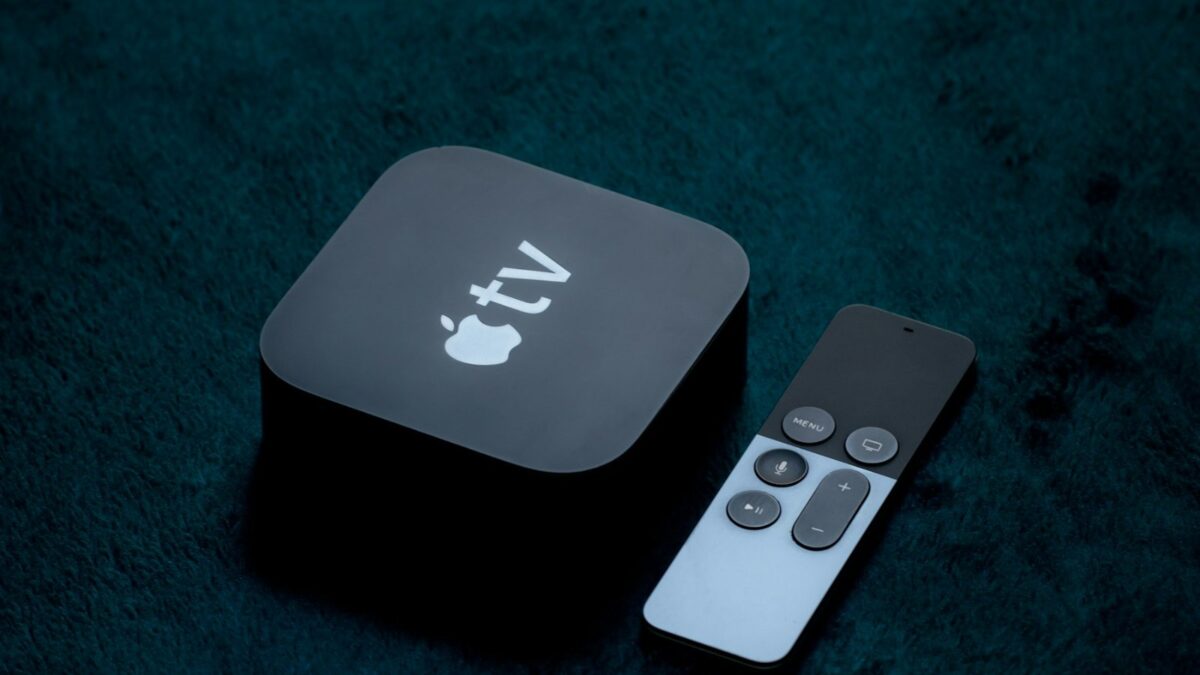
The Apple TV 4K went up on 26 June 2026, from 129 to 199 dollars for the 64GB model and from 149 to 249 for the 128GB one, according to FlatpanelsHD. Apple pointed at surging demand for memory and storage driven by AI data-centre construction.
Notice who paid. Anyone who already owned the box paid nothing at all, and their machine kept doing exactly what it did on the day they bought it. A hardware price increase is a fact about the next buyer. A subscription price increase is a fact about you.
A subscription you can leave, and a box you cannot hand back
The asymmetry cuts the other way as well, and it is worth being honest about. If HBO Max raises its price again, or its library thins, or the app you like is replaced by one you do not, the exit costs nothing beyond the notice period on your current billing month. Every dollar you would have spent from that point stays yours.
The 199 dollars for the box is spent whatever happens next. It does not care which services survive, get merged, or disappear. That is the trade a household is really making across these two lines of spending: the recurring one you can stop but never get back, and the one-off you cannot undo but never have to pay again.
There is a small piece of arithmetic hiding in the subscription side. Basic with Ads costs 10.99 a month, which is 131.88 across a year, against 109.99 for the annual plan, so paying twelve months up front is about twenty-two dollars cheaper. The catch is that it converts a bill you can walk away from into one you cannot, in a year when the company that owns the service may not be the company that owns it at the end.
An 81 billion dollar sale that a federal judge paused in July
The ownership of HBO Max has been unsettled for over a year. Warner Bros. Discovery said on 9 June 2025 that it would split into two public companies. In December 2025 Netflix agreed to buy the studio and streaming divisions for roughly 72 billion dollars. On 26 February 2026 Paramount Skydance bid 31 dollars a share for the whole company, the WBD board called it a superior proposal, and Netflix declined to raise and walked away the same day.
Shareholders approved the all-cash deal in April 2026 at around 81 billion dollars, and the Department of Justice cleared it in May. Then on 13 and 14 July 2026 twelve state attorneys general sued to block it, and a federal judge issued a temporary restraining order halting the transaction for fourteen days. EU and UK reviews are still outstanding. As of 1 September 2026 the sale has not closed.
What twelve attorneys general say it would do to prices
The suit’s argument is about concentration. The states contend the merger would extinguish competition and that folding HBO Max’s library into Paramount+ would hand one company control of close to a third of both theatrical film distribution and basic cable programming.
California’s Rob Bonta said audiences on every sofa and in every movie seat would feel the impact of this unlawful merger, and predicted higher prices, fewer films and shows and lower quality overall. New York’s Letitia James said it would put jobs and businesses nationwide at risk. The Writers Guild of America warned of fewer jobs, lower wages, less variety in programming and higher consumer prices. These are the claims of litigants rather than findings of fact, and a court has yet to weigh them.
What is settled, and what a subscriber should assume
Settled: the name is HBO Max, and any 2026 article calling it Max is out of date. Settled: the tier prices above, from the company’s own help centre. Settled: your Apple TV 4K, if you already own one, is unaffected by any of this.
Not settled: who will own the service by next year, and what a combined catalogue would look like if the deal survives its challenges. The reasonable planning assumption is the one the last two years support: the app on the screen will keep working, the name on it may not last, and the price will move again on a date somebody else chooses. If you are budgeting, budget for the annual plan you can see today and treat everything above it as somebody else’s argument.
The practical advice is unromantic. Do not pay extra for a tier whose advantages you cannot describe. Do not buy an annual plan on the assumption that this year resembles last year in a business being fought over in twelve state courts. And do not treat the app on your television as the thing you are buying, because that is the one part of this arrangement that has already been renamed twice.
Sources: NPR · HBO Max Help Centre · Britannica · Fortune · FlatpanelsHD
Articles on Read Vault are researched and written by the site’s editorial team.