The Candle Set That Doesn’t Exist, and What Actually Makes a Room Feel Warmer
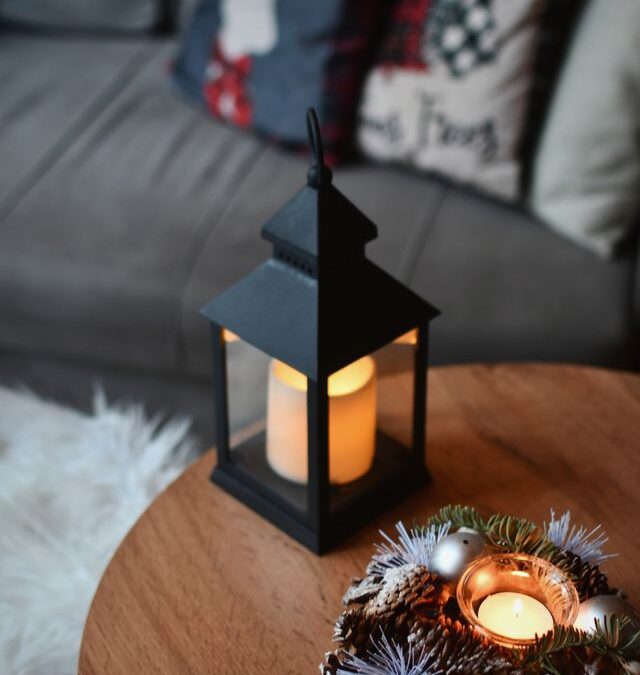
The obvious pick for a cold-months roundup would have been a candle set that turns out not to exist. Here is that correction, plus what in this roster genuinely adds warmth.
A cold-months roundup built from this roster would normally lead with a scented candle set. It cannot: the ‘Yankee-Free Soy Candle Set’ that would have anchored this piece does not exist under that name, by any brand, and searching for it returns nothing but the real, differently named Yankee Candle company. Rather than force a placeholder into the slot, this piece covers what is actually in the roster that changes how a room feels in winter — a down duvet, sateen sheets and an armchair — and says plainly where the roster has nothing to offer.
There Was Never a Product Here Called That
This site previously carried a review of something called the ‘Yankee-Free Soy Candle Set.’ It does not exist. Exact-phrase search, brand search and retailer search all return nothing but the real, differently named Yankee Candle company, and the best explanation is that the name spliced a real brand with a common ‘free-from’ marketing suffix. Rather than describe a product that cannot be verified, this section covers the real soy-candle market and drops the fabricated name entirely.
What is actually true about soy candles: soy wax is soybean-derived and renewable, and it burns cooler and generally longer than paraffin — industry sources put the gap at roughly 30 to 50 percent longer per volume. The National Candle Association attributes soot mainly to wick length and flame disturbance rather than to the wax itself, which cuts against a common assumption that switching wax type alone solves a sooting candle. Health claims around scented candles generally — phthalates in some synthetic fragrance oils, mainly — remain inconclusive in the literature, which is worth knowing before treating any ‘phthalate-free’ label as a settled health claim. Real brands selling soy-blend candles include Yankee Candle’s own soy-blend line, along with Brooklyn Candle Studio, Keap, Grow Fragrance, Slow North and Pure Plant Home — none of which this roster has priced or tested, which is exactly why this piece does not rank one over another the way it can for the 13 other products here that do have sourced prices and figures behind them.
One regulatory fact is worth knowing regardless of brand: the CPSC banned candles made with lead-cored wicks in 2003, following a 2001 EPA report on indoor air pollution from candles. It is covered in more depth in this site’s air-quality piece; the short version is that lead-cored wicks are a settled, historical problem, not a live concern with any candle sold today.
A Down Duvet Is the One Genuine Cold-Weather Upgrade Here
Boll & Branch’s Down Duvet, $409 for a full/queen midweight, is the roster’s clearest answer to how to make a bed warmer for winter. It is filled with white down rated to 650 fill power — a figure that, per Sleep Foundation’s review, does not actually appear on Boll & Branch’s own product page, its own small transparency gap — inside an organic cotton shell with baffle-box construction and corner loops to anchor it inside a cover. Both the down (International Down Standard) and the fabric (OEKO-TEX Standard 100) carry real third-party certification.
The catch is how little support comes with it. The trial is only 30 nights, and Boll & Branch’s published limited warranty covers mattresses and foundations only — not bedding, meaning the duvet itself has no manufacturer warranty once the trial ends. Care is a minor hassle too: Boll & Branch recommends two full drying cycles after washing, and reviewers note it comes out of the dryer noticeably wrinkled.
Sateen Sheets Trap Heat, Which Is Usually the Complaint
Brooklinen’s Luxe Sateen Core Sheet Set, $179 for a queen and routinely discounted 15 to 30 percent, is 480 thread count, 100 percent long-staple cotton sateen made in Portugal, with OEKO-TEX Standard 100 certification. Sateen’s defining trait — it traps more heat than percale — is usually written up as a drawback for hot sleepers. In a cold-months context it is closer to a feature, at least for the months this roundup is about.
The rest of the caveats still apply regardless of season: reviewers report shade variation between batches and complaints of quality declining and pilling within about a year, king sets ship with standard-size pillowcases rather than king-size ones, and Brooklinen’s ‘lifetime’ promise against ripping and pilling is the company’s own wording, not a certification. Returns are accepted for 365 days, minus a $9.95 return-shipping fee.
The POÄNG Adds a Reading Corner, Not Insulation
IKEA’s POÄNG armchair, $249 with a 10-year warranty, belongs in a cold-months piece for what it enables rather than what it is made of — it is the seat a duvet or a blanket gets draped over, not a source of warmth itself. The chair has only about 6 centimeters of padding between the sitter and its bentwood frame, according to House Digest, and the exposed wood frame around the cushion is a deliberate design choice that House Digest describes as reading bare rather than finished.
None of that changes what the chair is good for in a cozy-corner setup — a warranty a decade long, a price under $250, and a shape built to hold a blanket without collapsing under repeated use. It just is not, on its own, a cold-weather product the way the duvet is.
What This Roster Can’t Give You for a Cold-Weather Refresh
Even without the fabricated candle set, a genuinely complete cold-months list would normally include a few categories this roster simply does not have: a throw blanket, draft-proofing for windows or doors, a space heater, anything for a fireplace. None of those appear anywhere in the underlying product research behind this site, and inventing plausible-sounding options for them would repeat the exact mistake this piece is correcting elsewhere. The honest scope of a cozy-home-additions piece built from this particular roster is three products — a duvet, a set of sheets and a chair — not a full room refresh, and that is a real limitation of the source list, not an editorial choice to leave categories out.
A reader who arrived here specifically for a candle recommendation should treat that as the useful finding, not a dead end: the product that was supposed to be here never existed, and no substitute from this roster’s actual research earns the slot instead.
Sources: CPSC · Sleep Foundation · Boll & Branch · House Digest · Brooklinen
Articles on Read Vault are researched and written by the site’s editorial team.