How to Read a Bullion Exchanges Price: Spot, Premium and the Tier Grid
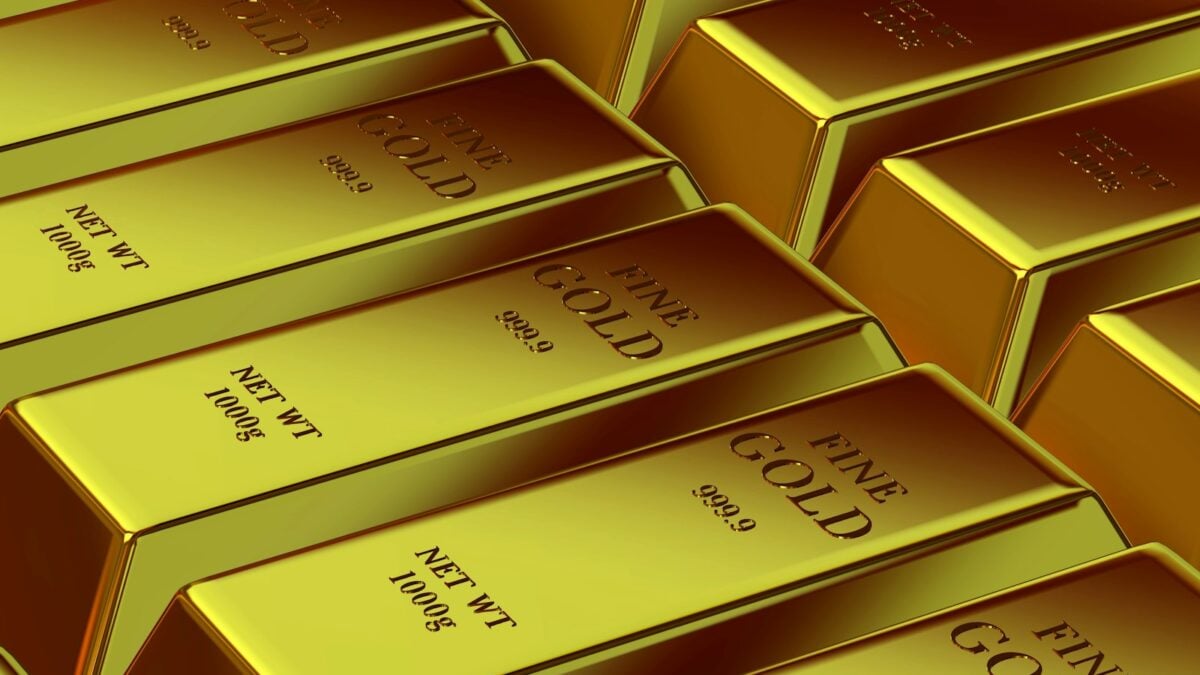
The price on a coin is spot plus a premium. Here's what moves that premium and how to read the tier grid on a Bullion Exchanges listing.
You check the gold price on your phone, open a one-ounce coin on Bullion Exchanges, and the number on the page is higher. Not by a rounding error, either. The first reaction most people have is that something is off.
Nothing is off. The price of a physical coin or bar is not the spot price. Spot is what a troy ounce of raw metal trades for in the wholesale market. What you pay for a finished, packaged, delivered product is spot plus a premium, and the premium is the part you have some control over. Once you can read it, a Bullion Exchanges listing stops looking like a mystery and starts looking like a menu.
One thing before going further: this is a guide to reading prices, not investment advice. Nothing here says metals are a good buy or where prices will go. That call is yours, ideally with someone qualified to advise you.
🪙 Open a coin listing and compare its price tiers
What the premium pays for
Think of the premium in two layers. The first is the cost of turning metal into a product: refining, striking or pouring, packaging, insuring and shipping it through the supply chain. Dealer guides such as BullionStar’s describe this layer as fairly steady over time, because the work doesn’t change much from year to year.
The second layer moves. When demand for a particular coin outruns the supply of it, the premium on that coin climbs, and when supply is plentiful it eases back. CoinWeek has pointed to stretches when government mints couldn’t strike coins fast enough and premiums rose even while spot fell. So two buyers paying the same spot price on different days can see quite different totals for the same coin.
Then there’s the dealer’s own margin, which covers running the business.
Why two one-ounce products can be priced differently
This is where most of the useful decisions sit. The same weight of the same metal can carry very different premiums depending on what form it comes in.
Size matters most. Minting a tenth-ounce coin takes nearly as many steps as minting a one-ounce coin, so that fixed cost is spread over less metal and the premium as a percentage is higher. JM Bullion notes that the cheapest products per ounce are usually the largest privately made bars. Fractional pieces are handy for smaller budgets, but you pay for the convenience.
Who made it matters too. Sovereign coins from government mints, like the American Eagle, carry legal-tender status and a brand that buyers recognize instantly, and the mints themselves add a markup when they sell to their authorized distributors. Private rounds and bars compete more directly on price. Neither choice is wrong. A coin that’s easy to recognize may be easier to resell, and a generic bar gets you more metal for the money today.
Collectibility adds another layer. Coins with yearly design changes and graded, certified coins in sealed holders tend to sit above plain bullion, because part of what you’re buying is the coin itself rather than its weight.

How to read a Bullion Exchanges listing
Bullion Exchanges, which is based on West 47th Street in Manhattan’s Diamond District, doesn’t show a single price for most products. It shows a grid.
The headline “As low as” figure is the best-case price: the lowest tier, paid by wire or check. Below it, the listing breaks prices out by quantity and by payment method, with separate columns for wire or check, for card or PayPal, and for crypto. Buy more units and you drop into a cheaper tier. Pay by card and you’ll see a higher number than the wire price for the same item, which is common across online bullion dealers because card processing costs the seller more.
So the price that applies to you depends on two things you choose at checkout. Read across the row for your payment method, then down to the quantity you’re buying. That figure, not the “As low as” headline, is your real price.
To see the premium itself, take the weight of metal in the product (listings usually state the weight in troy ounces and the purity), multiply by the current spot price, and subtract that from your price. What’s left is the premium. Divide it by the melt value and you have it as a percentage, which makes comparisons between a coin and a bar much easier.
📊 Check today’s wire, card and crypto prices
Lowering the premium you pay
A few habits do most of the work. Paying by wire or check gets you the lowest column on the grid. Buying in the quantity that tips you into the next tier can bring the per-unit price down, so it’s worth checking whether that tier is a coin or two away. And choosing a larger bar or a generic round over a fractional sovereign coin keeps more of your money in metal.
Timing helps in a quieter way. Because the demand layer of the premium moves, comparing the same product across a few days shows you what “normal” looks like for it, and makes an unusually high premium easier to spot.
Check shipping terms on the order too. They change, and they affect the total.
Why it pays to buy with the grid in front of you
Most people who feel overcharged on bullion simply didn’t know which price they were looking at. A Bullion Exchanges listing lays the whole structure out on one page: tiers, payment columns, metal weight and purity. That’s everything you need to work out exactly what you’re paying above the metal and to pick the combination that suits you.
If you already know what you want to hold, spend five minutes with the grid before you check out. Pick your payment method first, find your tier, do the melt-value math, and compare a coin with a bar of the same weight. You’ll end up with the product you meant to buy, at the lowest premium that product and payment method allow.
Again, none of this is advice on whether to buy metals at all. It’s how to read the price once you’ve decided.
🥈 Compare bar and coin premiums side by side
Articles on Read Vault are researched and written by the site’s editorial team.