The First-Gen Bose QuietComfort Ultra Is $170 Cheaper Than Its Own Replacement
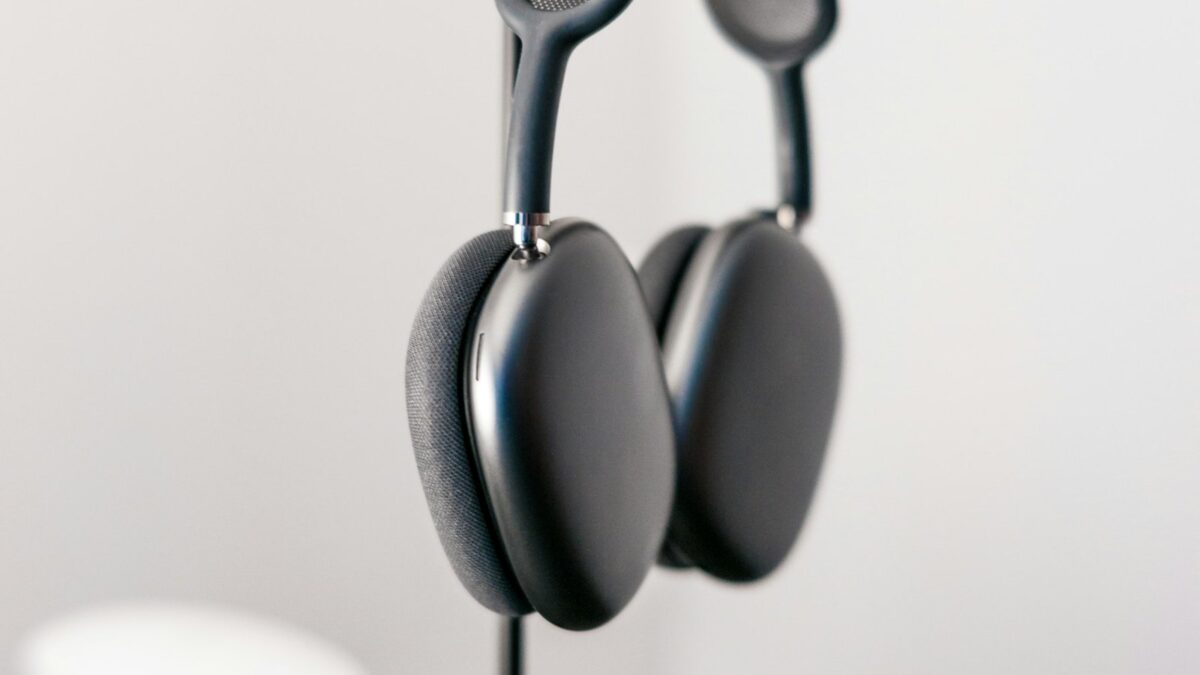
Bose replaced the QuietComfort Ultra with a $449 second generation in October 2025, and the original still sells for $279 with no independent evidence yet that the gap is worth paying.
Bose announced a second-generation QuietComfort Ultra on 10 September 2025 and put it on sale three weeks later, on 2 October, at $449. That single move turned the original QuietComfort Ultra into the discount option in Bose’s own lineup: it was listed at $279 on 31 August 2026, down from a $429 list price. The headline here isn’t the new model. It’s that the outgoing one has dropped by $150 at exactly the moment it stopped being the flagship, and there isn’t yet an independent case that the $449 successor earns its premium.
Key facts
- 2nd Gen QuietComfort Ultra: announced 10 Sep 2025, on sale 2 Oct 2025, $449
- 1st Gen QuietComfort Ultra: $279 seen 31 Aug 2026, down from $429 list
- Battery: SoundGuys measured 27h37m against Bose’s own 24-hour ANC-on claim
- Weight: 253 g; SoundGuys measured roughly 87% total noise attenuation
A $449 Successor Just Made the Original a $279 Clearance Item
Bose rarely discounts its own flagship headphones this aggressively while they’re still the current model. The fact that the QuietComfort Ultra dropped to $279 lines up with the second generation going on sale, which is the clearest signal Bose itself has given that the first generation is now a clearance item rather than a product it expects to keep selling at full price. A $429 list price falling to $279 is a 35 percent cut, not a routine seasonal sale.
That timing matters more than any spec sheet. A headphone that costs $170 less than its replacement, and was good enough to be Bose’s flagship eleven months ago, doesn’t stop being good because a new SKU exists. The question worth asking is what, specifically, the extra money buys, and whether Bose or anyone independent has actually said.
It is worth being precise about what changed and when. Bose’s own announcement, dated 10 September 2025, is the source for the second generation’s existence; the sale date of 2 October 2025 and the $449 price come from the same release. The $279 price for the original is a snapshot from 31 August 2026, so it reflects roughly eleven months of the first generation sitting alongside its replacement rather than a launch-week promotion.
SoundGuys Measured 27 Hours, Bose Promised 24
Bose’s own spec for the QuietComfort Ultra claims roughly 24 hours of battery life with active noise cancellation switched on. SoundGuys’ independent testing ran the headphones for 27 hours and 37 minutes before they died, over three hours past Bose’s own number. That’s a rare case of a manufacturer under-promising rather than padding a spec sheet, and it’s a figure that still applies to the exact hardware now selling at $279.
At 253 grams, the QuietComfort Ultra is not a light pair of headphones, but SoundGuys’ battery result means the weight buys genuinely long sessions rather than frequent recharging. Bose has not published a battery figure for the second generation, so there is no verified way to say whether the new model does better, worse, or the same.
For a shopper comparing the two on paper, that’s an odd position for Bose to be in: the newer, pricier product is the one without an independently confirmed battery number, while the cheaper, older product has already been timed past its own manufacturer claim by a third party with no reason to be generous.
87 Percent of the Noise Around You, According to SoundGuys
SoundGuys’ independent measurements put the QuietComfort Ultra’s total noise attenuation at roughly 87 percent, which is the figure that matters more than Bose’s own marketing language about noise cancellation. That number describes the first-generation hardware sold today at $279, tested by an outlet with no reason to flatter Bose over any rival.
Nothing in Bose’s second-generation press release includes a comparable independent attenuation figure for the new model. Until an outlet runs the same test on the $449 version, there’s no verified basis for claiming it cancels more noise than the one it replaced, only Bose’s own assertion that the newer chip is an improvement.
That distinction is worth holding onto. Manufacturers routinely claim a new generation is quieter, longer-lasting, or more comfortable; independent testing is what confirms or contradicts that. The QuietComfort Ultra 1st Gen already has that confirmation on both battery life and noise attenuation. Its replacement, for now, has only Bose’s word.
What Bose Hasn’t Said About the Second Generation
Bose’s own press material announces the second generation exists and states its price and release date. It does not, in what’s been verified for this review, spell out a battery figure, a weight, or an independent attenuation test that would let a buyer compare it directly against the model it replaces on anything other than trust.
That gap is the honest limitation of recommending the newer headphones right now:
- No independently measured battery life for the 2nd Gen has been verified against Bose’s own claims
- No independently measured noise-attenuation percentage exists yet for the 2nd Gen
- No published weight for the 2nd Gen to compare against the original’s 253 g
The Case for Buying the Model Bose Is Discontinuing
None of this means the second generation is a bad headphone; it means nobody outside Bose has yet put numbers behind why it costs $170 more. What is verified is that the first-generation QuietComfort Ultra beat its own battery claim by over three hours in independent testing, cancelled roughly 87 percent of ambient noise in the same testing, and now costs $279 instead of $429.
For a buyer choosing today, that combination – a proven, independently tested headphone at a 35 percent discount versus an unproven successor at full price – makes the outgoing model the safer purchase. That could change once independent reviewers get real time with the 2nd Generation; it just hasn’t changed yet.
The exception is a buyer who specifically wants the newest hardware Bose sells and is willing to pay for that alone, sight unseen on independent testing. Everyone else is better served by asking a narrower question: not which QuietComfort Ultra is newer, but whether $170 is worth spending on claims nobody outside Bose has yet checked.
Articles on Read Vault are researched and written by the site’s editorial team.